Industrial machinery keeps getting faster and heavier, far less forgiving of weak parts. When a single line carries thousands of litres under high force, the components moving that fluid cannot afford to falter. A failing hydraulic hose rarely warns anyone in advance. It simply gives way, often at the worst possible moment on a busy production shift.
Pressure Exposes Every Weak Link
Manufacturing Quality Sets The Baseline: The strength of any assembly starts long before it reaches the plant floor. A trusted flexible hose manufacturer controls material grade, reinforcement layers, and crimping accuracy with tight tolerances. Cut corners at this stage and the fault travels straight into your operation, where it tends to surface as leaks, downtime, or worse.
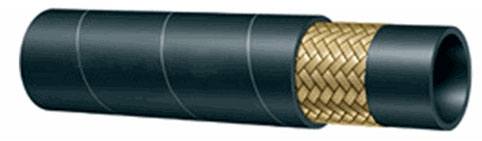
Consistent Flow Under Real Load: Once installed, a quality hydraulic hose must hold its shape through constant flexing and vibration, plus sharp temperature swings. Pressure spikes that would split a cheaper line get absorbed without distortion or bulging. That steadiness keeps actuators responsive and protects the surrounding machinery from shock damage that quietly shortens its working life.
Strength That Refuses To Quit
Surfaces That Take Constant Punishment: Plant environments grind away at exposed lines through dragging, rubbing, and repeated contact with rough edges. Strong abrasion resistance in the outer cover decides how long an assembly survives this daily wear. A tough jacket means fewer surprise replacements, and crews spend less time chasing faults they could have avoided entirely.
Custom Builds For Demanding Lines: No two sites stress their equipment in quite the same way. A capable, flexible hose manufacturer can match bend radius, fitting type, and pressure class to the exact job rather than forcing a generic part to fit. That kind of precision matters most where space is tight and any failure carries real safety risk.
Downtime Costs More Than Parts: When a line bursts mid-cycle, the replacement hose is usually the cheapest part of the whole problem. Lost output, idle workers, and missed delivery windows stack up fast. Spilled fluid creates slip hazards and extra cleanup duties, too. The smarter spend tends to be on parts that simply refuse to fail under load.
Where Downtime Hides In Plain Sight
Numbers Worth Checking Before Purchase: Specifications are far more than paperwork to file away. The working pressure rating tells you whether an assembly can handle peak demand with margin to spare, or whether it sits one surge away from sudden rupture. Before any line goes into service, a few details always deserve a careful second look.
- Temperature range across both peak heat and cold starts
- Bend radius that suits the actual routing
- Fitting and coupling match to avoid weak joints
- Fluid compatibility with the specific medium in use
- Reinforcement type suited to the pressure class
- Burst margin set comfortably above normal operating load
Performance That Holds Across Sectors: From construction rigs to food processing plants, the demands shift but the underlying principle holds firm. A well-built hydraulic hose carries the same promise of steady power whether it feeds a heavy press, a loader, or a packaging unit. Reliability earned in one sector tends to prove itself in the next.
Reliability You Can Build On
Equipment reliability is rarely about one dramatic upgrade. It comes from getting the small, high-stress components right, every single time. Hose assemblies built for strength and precise fit quietly protect output, budgets, and the people nearby. Review your current lines, demand proper specifications, and choose makers who treat durability as the starting point, not an afterthought.
Featured Image Source: https://www.jreltd.com/images/hydraulic-hose/1.jpg