Ink Tank, Laser, or Portable? Your Printer for Sale Choice Starts Getting Interesting Here

Three printer types sit on most shop shelves, and they solve different problems. Anyone scanning a printer for sale listing by price alone walks past that fact. Ink tanks, laser and portable label machines were built for separate jobs. Sorting the job first makes the rest simple. The shelf price rarely tells that story.

Three Machines, Three Very Different Working Lives

Where Ink Tank Models Earn Their Keep: Refillable bottles changed the maths for high volume colour work. A printer for sale in the ink tank category suits offices printing invoices, brochures and photographs in steady numbers through the week. Pages cost little once the bottles are in. Speed stays modest, and that suits most desks. Refill intervals stretch into months.

Sharing One Machine across a Whole Office: Most printers now sit on the network rather than one desk. Buyers checking a Tenda router price in Kenya alongside their printer shortlist end up with a smoother setup, since the router decides how reliably every workstation reaches the queue. Weak coverage turns a good machine into a bottleneck. Cable runs fix some of it, not all.

Speed, Volume, and the Quiet Cost of Choosing Wrong

Laser Machines and the Pages That Never Stop: Toner suits departments pushing hundreds of black text pages a day. Output stays crisp, and print resolution on text documents holds up better than most people expect from a mono unit. Colour lasers cost more to run. Heavy contracts, payroll runs and tender documents fit this category well. Warm up time is short too.

Portable Units for Work That Moves: Stock counters, delivery teams and field engineers need labels on the spot. A portable printer for sale in this class runs off battery, pairs with a phone and prints barcodes or asset tags without a desk anywhere nearby. Small print widths limit it to labels and receipts. That limit is the point of them.

Matching the Machine to the Work in Front of You

Who Should Buy Which One: Job type settles this faster than any spec sheet. Offices with mixed colour and text need to lean towards ink tanks. High volume mono work belongs to the laser. Wireless printing support matters across all three now, since staff send jobs from laptops and phones more than from a fixed tower. Driver support varies by model.

  • Ink tank for colour brochures, school reports and steady weekly volume
  • Laser once the counter climbs past a few hundred pages a day
  • Portable units suit warehouses, deliveries and anyone labelling stock on foot
  • Check the paper tray size before anything else
  • Duplex printing saves more paper than buyers plan for
  • Running cost per page beats the shelf figure every time

Getting the Network Side Right: A shared machine is only as steady as the connection behind it. Comparing a Tenda router price in Kenya against the coverage a building actually needs keeps print queues moving during busy afternoons. Older routers choke when several large files land together. Firmware updates help a little. Placement of the unit counts as well.

A Print Setup That Keeps up with the Work

Work out the daily page count, the colour requirement and whether the machine travels. That answer narrows three categories down to one within minutes. Browse the full printer range, compare running costs rather than shelf figures, and pick the unit built for the job waiting on the desk. Guesswork costs more later.

Building a Better Hose Reel Setup: Guides, Storage, and Maintenance

A hose reel should do more than store a length of tubing. The right setup controls bending, protects garden beds, preserves water flow, and makes every watering task easier.

For practical comparisons, specifications, and maintenance ideas, Hose Guide Hub can serve as a useful starting point while you evaluate reel types, accessories, and operating techniques. The most reliable choice still depends on your garden layout, water supply, storage conditions, and tolerance for manual work.

A complete system includes the reel, hose, leader hose, fittings, nozzle, mounting hardware, and—where corners or planting beds are involved—dedicated guide stakes or rollers. Treating these parts as one system prevents many problems blamed incorrectly on the hose itself.

Choosing the Right Hose Reel for Your Space

Hose reels fall into overlapping categories rather than completely separate designs.

  • Wall-mounted reels save floor space and place the hose near an outdoor tap. A swivel bracket can provide 90 to 180 degrees of movement, depending on the model.
  • Retractable reels use a spring-return mechanism to draw the hose into a casing. Many are also wall-mounted, so “wall-mounted” describes installation while “retractable” describes operation.
  • Automatic reels may use an electric motor or another powered drive. They offer convenience but add cost, electrical requirements, and additional failure points.
  • Manual reels use a hand crank and usually have the lowest purchase price. Their simple construction can make cleaning and replacement easier.
  • Portable reels are lightweight and compact for smaller spaces, balconies, or users who need to move equipment frequently.
  • Cart-based reels combine a drum with wheels and a handle. They suit larger gardens, open yards, and long hoses, although wheels can become difficult to move across soft soil or uneven paving.
  • Industrial reels use heavier drums, frames, bearings, and fittings for agricultural, workshop, pressure-washing, or production environments. They generally cost more and may require specialized hoses.

Measure the actual route from the water source to the farthest watering point, including turns and vertical rise. Do not buy based only on garden area. A 50-foot hose may suit a compact yard, while a large property may need 75 to 150 feet—but excessive length increases pressure loss, weight, and winding load.

Budget approximately $30–$80 for basic manual or portable equipment, $70–$180 for many domestic retractable reels, and $200 or more for premium, motorized, or industrial designs. Capacity, hose diameter, casing quality, spare-part access, and warranty support matter more than price alone.

Hose Reel Features That Matter in Daily Use

A well-designed reel manages both movement and load. Check the following before purchase:

  • Hose diameter: A 5/8-inch hose generally provides a useful balance of flow, weight, and flexibility for household watering. Larger diameters can deliver more volume but weigh more and require compatible fittings.
  • Hose length: Longer hoses create greater drag and require a stronger spring or motor. Confirm that the reel’s stated capacity applies to the diameter you intend to use.
  • Swivel bracket: The pivot should move smoothly without excessive side play. A rigid mount forces the hose to bend sharply at the outlet.
  • Guide mechanism: Rollers, fairleads, or internal guide arms keep the hose aligned with the drum. They reduce cross-winding, abrasion, and flattened sections.
  • Retraction system: Spring-return reels should retract at a controlled speed and lock at multiple positions. Motorized versions should include overload protection and a clear manual-release procedure.
  • Hand crank and drum: On manual models, inspect the crank attachment, drum flanges, axle, and bearing surfaces. A flexible drum can cause uneven winding.
  • Casing and frame: UV-resistant polypropylene resists corrosion, while powder-coated steel or stainless steel may tolerate harder use. Plastic housings are not automatically inferior, but thin walls and brittle hinges are warning signs.
  • Connections: Brass or reinforced polymer fittings are preferable to poorly supported plastic threads. Verify thread standards, such as 3/4-inch garden-hose thread, rather than assuming every connector is interchangeable.

Look for weather-resistance information, drainage openings, replaceable seals, hose-end compatibility, and documented availability of springs, leaders, connectors, and nozzles. A product that cannot be repaired may have a lower lifetime value despite a low purchase price.

Installation and Setup for Reliable Hose Management

Choose the mounting method according to the structure and soil.

Wall, ground, and spike mounting

For masonry, use anchors rated for the substrate. For timber siding or framed walls, fasten into studs rather than thin cladding. A full reel can exert significant pull when the hose is extended, so mounting hardware must support both static weight and dynamic side loading.

Install the reel high enough to keep the hose clear of obstacles, but low enough for safe servicing—often around waist to chest height for a wall unit. Leave clearance for the casing, swivel arc, crank, and hose exit. Do not place the reel where the hose must immediately bend around a sharp corner.

Ground-mounted and spike-mounted systems work well where drilling is impractical. Push stakes into firm soil, not loose mulch. In compacted or rocky ground, a base plate or portable cart may be safer. Guide stakes should be positioned before corners and beside vulnerable beds; they should redirect the hose without creating a tight-radius bend.

Connecting the system

  1. Shut off the tap and inspect the washer in the leader-hose connection.
  2. Connect the leader hose without twisting it, then attach the reel inlet fitting.
  3. Use a compatible tap connector, backflow device, timer, or pressure regulator where required.
  4. Attach the nozzle or spray gun and check that its flow setting is open before testing.
  5. Turn on the water slowly and inspect every joint for leaks.

A narrow connector, blocked timer filter, or partially closed tap can restrict flow even when the main hose is large enough. Avoid overtightening threaded fittings; hand-tight plus a modest tool adjustment is usually sufficient.

Extend the hose fully during the first test. Confirm that it travels smoothly, follows the guide path, and retracts without loops. For a spring reel, maintain light tension as the final section enters the casing. Never release a retracting hose and allow it to slam into the housing.

Troubleshooting Pressure, Retraction, and Hose Damage

Use a systematic workflow rather than replacing the reel immediately.

Low pressure

Start at the source and work downstream:

  • Confirm the tap is fully open.
  • Remove the nozzle and test flow directly from the hose.
  • Check for kinks, crushed sections, and blocked screens.
  • Inspect tap adapters, timers, quick-connect fittings, and backflow preventers.
  • Compare performance with a shorter hose.

If pressure improves with the nozzle removed, clean or replace the nozzle. If it improves with a shorter hose, excessive length, small internal diameter, or multiple restrictions may be responsible. A pressure gauge at the tap can help distinguish a supply problem from a reel problem.

Incomplete or uneven retraction

Common causes include a weak spring, hose memory from prolonged storage, dirt in the guide rollers, incorrect hose capacity, and side loading caused by poor alignment. Pull out the hose completely, clean the guide path, and rewind it under steady tension. Do not open a spring-loaded drum unless the manufacturer provides a safe service procedure; stored spring energy can cause serious injury.

Uneven winding often indicates that the guide is jammed or that the reel is mounted out of alignment with the normal pull direction. A damaged hose may also have swollen sections that cannot pass smoothly through the guide.

Leaks and physical damage

Replace flattened washers, cracked quick-connectors, and split hose ends. A small damaged section can sometimes be removed with a rated hose-repair coupling, but repairs may reduce flexibility and should not be used where the hose is exposed to high pressure or commercial duty.

A cracked casing, seized axle, broken spring, or distorted drum usually warrants a replacement assembly unless manufacturer-approved parts are available. Electrical or motorized reels should be isolated from power before inspection, and repairs involving wiring or controls are best handled by a qualified technician.

Seasonal Care, Storage, and Product Research

Before freezing weather, close the tap, disconnect the supply, drain the leader hose, and pull out the remaining hose to release trapped pressure. Store removable hoses indoors where possible. If the reel stays outside, drain it completely and follow the manufacturer’s temperature guidance; frozen water can split fittings, seals, and hose walls.

For year-round care:

  • Rinse grit from the hose and guide rollers.
  • Keep the casing shaded or use a protective cover in strong sun.
  • Avoid dragging the hose across sharp paving, metal edges, and thorny planting.
  • Coil or retract the hose without twists.
  • Lubricate approved moving parts only; petroleum products can damage some seals and hose compounds.

When comparing products, build a table that records hose length, internal diameter, rated pressure, mounting options, swivel range, locking positions, warranty, replacement parts, and included fittings. Check independent specifications and current manuals rather than relying solely on marketing language. Confirm compatibility with hose timers, spray guns, replacement connectors, guide stakes, protective liners, and pressure regulators.

The best hose reel is not necessarily the most automated. It is the one whose capacity, guide path, mounting method, and maintenance requirements match the space. A properly supported reel, correctly positioned guide, and disciplined winterising routine will usually extend service life more effectively than upgrading to a more complicated mechanism.


Things to Do Near Your Fort Myers Beach Condo: A Local Attractions Guide

Estero Island is about seven miles long, and most of what visitors want to see sits along one main road, Estero Boulevard. That layout makes day planning fairly easy. You can spend the morning on the water, have lunch near the north end, and still be back at your condo before the afternoon heat sets in. So where should you start? The answer depends a lot on where you stay.

Choosing Condo Rentals in Fort Myers Beach FL by Location

The island has two quite different ends. The north end, near Times Square, has more restaurants, shops, and foot traffic. The south end is quieter and closer to state park land. When you compare condo rentals in Fort Myers Beach, FL, look at the address first. A unit near your planned activities means less time in the car and more time on the beach.

Getting Around from Vacation Rentals in Ft Myers Beach FL

Most vacation rentals in Ft Myers Beach FL sit on or near Estero Boulevard, which also serves as the local trolley route. Traffic on the island can move slowly in winter and spring, so plan short trips outside busy hours. Some guests park the car on the first day and walk or bike for the rest of the week. This works best if your condo is close to the places below.

Estero Bay Kayak Tours Near Fort Myers Beach

The bay side of the island opens onto Estero Bay, an estuary where freshwater from local rivers mixes with saltwater from the Gulf. The bay became Florida’s first aquatic preserve in 1966. Guided kayak and paddleboard tours leave from several spots on and near the island. On a calm morning, you may see dolphins, wading birds, and in warmer months, manatees. Bring water and a hat, since shade is limited once you paddle past the mangroves.

Mound House and Fort Myers Beach History

Visitors interested in local history should set aside an hour or two for the Mound House. The site sits on a shell midden, a mound the Calusa people built over centuries from shells and other food waste. The house on top dates to 1921 and is the island’s oldest standing structure. Exhibits explain how the Calusa lived along this coast long before roads or condos existed.

Lovers Key State Park Beaches and Trails

At the south end, Lovers Key State Park has a quieter beach, walking and biking trails, and canoe and kayak rentals. The beach feels far removed from the busier north end, even though the drive takes only a few minutes from most south-end condos. Families with young children often prefer this calmer setting.

Dining and Shopping Along Estero Boulevard

For meals, the Times Square area has casual seafood restaurants and ice cream shops within a short walk. Further south, smaller restaurants line the main road. A few habits help you plan your days:

  • Reserve dinner tables ahead on weekends from January through April
  • Check hours before you go, since some businesses and attractions reopened in stages after Hurricane Ian
  • Plan for paid parking at public beach access lots

Plan Your Fort Myers Beach Stay Around What You Want to See

A good trip here starts with a short list of places you want to visit. Match that list to the right end of the island, then choose a condo that puts you close to them. Browse available beachfront condos and check dates for your next visit.

Mac Cleaner Software Price Makes More Sense when You Know What You Get for the License

Storage runs out at the worst moment. A quick search for a fix throws up a dozen tools with wildly different price tags, and comparing Mac cleaner software price against what each one actually does gets confusing fast. Free, trial, subscription, one-time payment. Same category, four money models, and none of them line up neatly.

Why Four Price Models Turn One Simple Choice into a Mess

The Cost Column Hides More than It Shows: Two tools can carry the same number and deliver nothing alike. One scans a fixed list of folders. The other walks the whole home folder, hidden directories included. Mac cleaner software price only becomes useful once you know the scan depth behind it, because depth decides how much space actually comes back.

Free Rarely Means Free for Long: Searching for the best free Mac cleaner software usually lands you on a tool that scans without charge and then asks for payment before it removes anything. That is not dishonest. Analysis costs the developer very little. Removal is where the real work sits, and that is where the money question starts.

What Your Money Buys beyond the Scan Button

Subscriptions Changed How Utilities Get Sold: Most utility developers moved to software as a service billing, where the tool keeps working only while payments keep arriving. Stop paying and the scan results stay locked behind a renewal screen. Yearly charges look small in isolation. Five years in, the total looks very different from the first invoice.

Features That Actually Justify a Paid Tool: Four things separate a paid cleaner from a basic one. Deep scanning across app caches and developer folders. A visual disk map showing where the weight sits. A proper uninstaller that clears leftovers by bundle identifier. Full file review before removal. Weigh Mac cleaner software price against that list, not against a number alone.

One Payment or an Annual Habit

The Renewal Math Most Buyers Skip: Run the total cost of ownership over three or four years and the gap opens wide. A one-time license bought for a single Mac costs what it costs. A yearly plan keeps billing whether the Mac still needs cleaning or not. Few buyers run that number before they hand over a card.

  • Trial access, and whether every feature is unlocked or only the scan
  • Where removed files land. Trash first means a mistake can be undone
  • How many Macs a single license covers
  • Whether anything the tool only guessed at arrives pre-ticked
  • License transfer, because the old Mac gets replaced eventually

When a Free Tool Is Enough: Light users with plenty of space rarely need a paid tool. The best free Mac cleaner software will show you the problem, and for some people seeing it is enough. Manual deletion through Finder handles the rest. Once the same clutter comes back every month and the manual sweep eats an evening, paying starts to make sense.

See Your Own Numbers before You Pay Anything

The safest way to settle this is to run a scan on your own machine and look at the real figure. A trial that unlocks every feature for three days gives you that answer without a card. Download one, check what comes back, then decide whether the license earns its place.

What Fresno Businesses Actually Get Wrong About Cybersecurity Consulting?

Most owners in the Central Valley treat cybersecurity consulting like a fire extinguisher. Buy one, mount it on the wall, forget about it. Then something goes wrong on a Tuesday morning, and nobody knows who to call for help. The assumption underneath that habit is simple: security is a purchase. It is not. Security is a set of decisions organizations keep making, and the quality of those decisions depends on who is advising them.

Here is the part that surprises people. Good cybersecurity consulting spends more time on the business than on the firewall. A consultant worth hiring asks what the company loses in a single day offline, which staff members handle payments, and where its backups actually live.

Firms searching for IT consulting Fresno that owners can trust often skip that conversation and jump straight to product demos. That order should be treated backwards.

Cybersecurity Consulting Is Not a One-Time Project

A security review from two years ago describes a company that no longer exists. The business hired people. It added software. Someone connected a personal phone to the office network, and nobody logged it.

Xobee runs monitoring and remediation around the clock for exactly this reason. Threats do not wait for the next scheduled assessment, and neither should the people watching those systems.

What IT Consulting in Fresno Should Cover Before an Insurance Renewal

Cyber insurance carriers have quietly raised the bar. Plenty of Fresno businesses discover this only when a renewal form lands on the desk and half the boxes cannot be checked honestly.

The requirements that come up most often:

  • Multi-factor authentication across applications that hold sensitive data
  • Continuous monitoring for unusual activity, misconfigured networks, and changes nobody authorized
  • Phishing simulation training so staff learn to spot a fake message before they click
  • Vulnerability reporting scored against the Common Vulnerability Scoring System
  • Audit logging that tracks file access and produces scheduled reports

Xobee delivers each of these through named platforms, not vague promises. LoginTC handles MFA. Cyberhawk performs daily network checks. Sophos Phish Threat runs the training simulations. Inspector 2 produces the vulnerability reports, and Netwrix covers auditing.

Ask any consultant which tools they use. Vagueness is an answer.

The Local Angle Matters More Than People Admit

A national vendor sends a ticket number. A local partner sends a person who has seen the server room.

Fresno businesses in agriculture, healthcare, legal, and manufacturing all face different rules and different risks. A packing operation worries about scheduling systems during harvest. A medical office worries about patient records. Generic advice serves neither one well.

Xobee has spent more than 25 years working with businesses across California and Nevada, and supports thousands of them. That history shapes the advice. That sounds like a small distinction, but the difference shows up when something breaks at four in the afternoon.

In Closing

Start with two questions. Could the business operate tomorrow if every file were locked? Who would answer the phone if a business called for help tonight?

If either answer feels uncertain, a conversation costs nothing. Request a Complimentary Consultation covering network security, incident response, vulnerability testing, and staff training.

From Dock to Den: Pairing Northern Ontario Fishing Equipment with Smart Home Installs for Cottage Season

Cottage season in the Almaguin Highlands tends to open the same way every year. The boat goes in, the tackle box comes out of the shed, and someone finds that the reel stored last October has stiffened up over the winter. Good Northern Ontario fishing equipment can take cold water, rocky shorelines and long mornings on the lake. It still needs a sensible place to land after the walk up from the dock. That part usually gets ignored until damp waders start to smell up the whole hallway.

That is where Northern Ontario home installs earn their place in the plan. A tighter back door, a deeper sink or a better-sealed window can make the trip from dock to den a lot less messy. Here is why the gear and the cottage deserve to be planned together, not in separate seasons.

Getting Northern Ontario Fishing Equipment Ready for Cold Local Water

Spring water up here stays cold for weeks after ice-out, and gear takes a beating. Before the first trip, run through a quick check:

  • Spin each reel and listen for grinding or grit.
  • Replace lines that look faded or feel brittle between your fingers.
  • Sort tackle by the fish you actually chase, rather than by what caught your eye last summer.
  • Dry out nets and soft bags that sat folded in a cold shed all winter.

Paperwork matters too. Ontario residents who are under 18 or 65 and older can skip the Outdoors Card and licence, as long as they carry government ID with their name and birth date while fishing. Everyone else in between needs both the card and a licence.


Is your card still current, or did it quietly expire last year? The Northern Ontario fishing equipment in the fishing, hunting and camping section is a good place to restock line and tackle before opening weekend.

Where Northern Ontario Home Installs Fit Into Lake Life

Lake days bring sand, water, and fish scales back into the cottage, and most older layouts never planned for that kind of traffic. Picture coming in at dusk with a full cooler and wet boots, then fighting a door that sticks every time it rains.

A few upgrades tend to help the most:

  • An entry door that seals well and stands up to wet weather, from the windows and doors range.
  • Windows that open easily so that a damp room can air out after a rainy weekend.
  • A kitchen or bath refresh with a deeper sink for rinsing gear, planned through kitchen and bath design.

Home Installs handles jobs ranging from a small home improvement to a full renovation, so the project size is your call.

Next Steps for a Smoother Cottage Season

Of course, nobody tackles all of this in one year. The reel repairs come first, and the door waits until fall, which is fine. Then again, the door is the thing you notice on every single trip. Which one frustrates you more when you walk in with a wet net in one hand?

Start with that one. The team at Kidd’s Home Hardware in Sundridge can help you sort out materials and measurements. They can also tell you whether a job suits a weekend or a Home Installs booking.

Window Guards, Grills and Door Peepholes for Washington DC Homes

Street-level windows are common in the District. Rowhouse garden units, basement apartments, first-floor condos, and street-level offices often sit just a few feet from the sidewalk. If your bedroom window faces the street, you have probably wondered how easy it would be for someone to reach in. That thought tends to come back at night.

A locksmith in Washington DC does more than change locks and cut keys. Residential work also covers window guards, window grills, peephole installation, and iron gate repair. These products stop problems at the window or front door before anyone reaches a lock. It makes sense to have the same person handle everything, since the work often happens on the same doors and windows.

How Window Guards and Window Grills Compare

A window guard is a set of metal bars fitted across the inside or outside of a window frame. A grill does the same job, and it often has a decorative pattern that matches older DC homes. Both are bolted into the frame or the surrounding masonry. The choice is perhaps more about looks than strength. A plain guard costs less, while a grill blends in better on a historic facade.

Building Code Rules for Bars on Bedroom Windows

Here is why the bedroom window needs extra thought. The International Residential Code, a model code many US cities base their housing rules on, requires every sleeping room to have an emergency escape and rescue opening. If bars cover that window, the code says they must release or come off from the inside without a key, a tool, or special knowledge. The code also sets a minimum net clear opening of 5.7 square feet for these openings. A quick-release guard meets that rule. A fixed guard on a bedroom window does not. Local rules can differ, so check with the city building department before you order anything.

Door Peepholes and What They Let You See

A peephole, also called a door viewer, is a small tube that fits through a hole drilled in the door. The outer end holds a fisheye lens, which bends light so you can see a wide area of the hallway or porch through a tiny opening. You can check who is outside without opening the door or unlocking the chain. Door viewers come in lengths sized to door thickness. The installer measures the door before drilling, so the viewer sits flush on both sides and does not wobble.

Next Steps Before You Book an Installation

A little preparation makes the visit shorter. Consider these points first:

  • Walk through your home and count every window at ground level or below.
  • Decide which bedroom window will serve as the escape route.
  • Measure the thickness of your front door, or let the installer do it on site.
  • If you rent, ask your landlord for written approval before any drilling.

Getting Windows and Doors Checked in One Visit

A single appointment can cover window guards and a new peephole. The technician can also check the door locks and strike plates while on site. Ask for a written quote that lists each item, and plan the work around the rooms you use most.

Who Learns from a Donor besides Medical Students

Ask most people what happens to a donated body, and they will describe a medical school lecture hall. That picture is not wrong, but it is only a fraction of the story. Anatomy classes are one recipient among many, and the programs asking for donors have grown well past first-year students with textbooks.

Interest in donating a body to science after death tends to rise when people find out how wide the need runs. Teaching hospitals request donors. So do paramedic academies, dental residencies, nursing colleges, and companies designing equipment that ends up inside patients. Placement depends on what each program needs at that moment, which is why a single donor rarely serves one purpose.

That reach is the part worth understanding before donating your body to science. Programs receive the donation, use it for teaching or study, then return cremated remains to the family. Between those two points, the work can involve several disciplines at different sites.

Emergency and Nursing Programs Rely on Donor-Based Practice

Paramedics learn airway procedures and chest decompression on donors before they attempt either in an ambulance. Cadaveric simulation training gives them tissue that resists and tears like a patient’s, something plastic manikins never reproduce. Nursing programs use the same access for catheter placement and central line practice. A student who has already done the procedure once arrives at a real bedside steadier.

Surgical Training and Device Research Depend on Donors

Surgeons rehearse unfamiliar operations before the patient is on the table. Hospitals adopting new equipment run surgical robotics training sessions where the whole team practices together, including the nurses who position instruments. Engineers use donors differently again, checking how a new implant or brace behaves under load. Human tissue keeps correcting assumptions that computer models get wrong.

Other programs draw on donations too:

  • Dental schools practicing nerve blocks and extractions
  • Physical therapy programs studying joint movement
  • Radiology courses matching scan images to anatomy
  • Research on disease progression in specific organs

What Donors Can and Cannot Choose

Selecting a particular research project is not usually possible. Programs match donations to current requests, and those requests shift week to week. Donors can state general preferences and ask which fields a program supplies. Some families find that reassuring; others would rather not know the details, and both reactions are common.

Acceptance is not guaranteed either. Certain infections at the time of death lead to a declined donation, so keeping a backup arrangement in place spares relatives a difficult week.

The people who benefit are mostly invisible to the donor’s family. A paramedic in another state, a dental student two years from graduating, and a patient whose surgeon had practiced the procedure first. Registration paperwork can begin at any time, and eligibility questions are answered before anyone signs anything. The donation program page lists details on the programs supported.

End of Tenancy Cleaning Service Can Take the Pressure Out of a Last-Minute Property Handover

Keys due back on Friday. Boxes still stacked in the hallway. Most tenants underestimate how long a proper move-out clean takes, and the oven alone can eat three hours. An end of tenancy cleaning service removes that job from your list entirely, which matters when the removal van and the check-out sit on the same day.

Why the Last Week Always Runs Short

Time You Do Not Actually Have: Packing swallows the evenings. Cleaning gets pushed to the last morning, then the van arrives early and half the flat stays untouched. An end of tenancy cleaning service works to the same checklist letting agents use, so the kitchen extractor and the inside of the wardrobes get done properly rather than rushed.

Short Notice Is Not a Problem Locally: Plans change. Landlords bring dates forward, sales complete faster than expected, and suddenly the handover sits two days away. End of tenancy cleaning in Epsom covers those short notice bookings, since the team already works across the area most weeks. Travel time stays low, so early starts are realistic. One phone call sorts the date.

What the Check-Out Report Actually Records

Where Deposits Quietly Disappear: Inventory clerks photograph everything. Grease on the hob splashback, limescale round the taps, and the dust nobody thinks to check on top of the door frames. Under tenancy deposit protection rules a landlord must evidence any deduction, and a photograph of a dirty oven counts as evidence. Cleaning costs come straight off the deposit.

Standards Agents Check before Signing: Agents work from a written schedule, not a general impression of tidiness. An end of tenancy cleaning service covers the items on that schedule in order, including appliance interiors and the window tracks nobody thinks about. Customers keep saying the same thing afterwards. The team turned up on time and stayed until the list was finished.

Handing Back Keys without the Argument

Rising Expectations across Rented Homes: Standards across the private rented sector have tightened over the past decade. Properties get relet within days, so landlords want them viewing ready immediately. A clean that would have passed in 2012 gets queried now, particularly on bathrooms. Grout and shower screens attract more attention than anything else in the report.

What Gets Covered on the Day: Professional kit makes the difference on the jobs that beat a household mop. Steam handles grout, and proper extraction lifts what a supermarket spray leaves behind. Booking end of tenancy cleaning in Epsom brings that equipment to the property, along with a team that treats the place carefully and works around whatever furniture remains.

  • Oven interiors, racks and door glass taken back to bare metal
  • Limescale lifted off taps, tiles and the shower screen
  • Cupboards, drawers and wardrobes done inside as well as out
  • Skirting boards and light switches wiped down
  • Bins washed out

Walking Away with the Deposit Intact

Moving is stressful enough without a Sunday night spent scrubbing an oven. Book the clean for the day before the check-out and let the inventory report come back clean, with no deductions to argue over later. Call to check availability for your handover date and ask exactly what the visit covers.

Heel Pain in Houston Can Have Different Causes, So the Right Diagnosis Matters

Morning steps tell the story. That first walk from the bed to the kitchen, sharp and unwelcome, sends plenty of people looking for answers. Heel pain in Houston shows up in runners, warehouse workers, teachers, retirees. Same symptom, different reasons behind it, and that distinction matters more than most expect.

Where the Ache Begins and Why It Sticks Around

The Two Names That Come Up Most: Plantar fasciitis leads the list, an irritation of the thick band running along the arch. Heel spurs follow close behind. Podiatrists treating heel pain in Houston see both conditions daily, and the two overlap enough that patients confuse one for the other. Bone growth by itself seldom causes the ache, even when it shows clearly on an X-ray.

Why Familiar Diagnoses Still Need Checking: Assuming the arch band is at fault can send treatment down the wrong path. Podiatric evaluation at Nagler Foot Center looks at how the tissue behaves under load, beyond the location of the pain itself. Swelling, tenderness at a single point, stiffness after rest. Each detail narrows the field before treatment begins.

Other Culprits Behind Heel Pain That Refuses to Fade

Injury and Overuse Leave Their Own Damage: A missed step off a curb. Weeks of extra mileage on hard pavement. Repeated impact can produce a stress fracture in the heel bone, which mimics soft tissue pain closely enough to fool anyone without imaging. Overuse builds slowly, so patients rarely link the pain to a single moment. The heel just starts hurting one day.

Nerves, Joints and the Shape of the Foot: Compressed nerves near the ankle send burning or tingling pain into the heel, which feels nothing like the usual morning stab. Inflammatory conditions such as rheumatoid arthritis attack the joints directly. Flat feet and high arches change how weight lands, loading the heel in ways it was never built to handle.

Pain Under the Heel Reads Differently Than Pain Behind It

What the Bottom of the Heel Is Signaling: Pain underneath usually points to the plantar fascia or the fat pad that cushions each step. It bites hardest first thing in the morning, then eases. Many cases of heel pain in Houston follow this pattern, and treatment aimed at the arch tissue brings relief within weeks for most patients.

Discomfort at the Back of the Heel: Pain behind the heel comes from a different place entirely. Achilles tendon irritation, bursitis, or a bony bump where the tendon attaches. Specialists at Nagler Foot Center separate these from arch problems during examination, since stretching routines that help one condition can aggravate the other. Location tells the clinician where to start looking.

Signs Worth Bringing to a Podiatrist:

  • Pain that stays sharp past three or four weeks of rest
  • Swelling, redness or warmth around the heel bone
  • Numbness or burning that spreads into the arch
  • Trouble putting weight on the foot at all
  • Pain that started right after a fall, twist or hard landing
  • Aching that wakes a person at night

Steady Steps Come From Knowing the Cause

Heel pain that lingers for months seldom improves on stubbornness alone. An exam, imaging when needed, and a diagnosis built on what the foot is actually doing will beat another round of guesswork. Waiting only gives the tissue more time to break down. Book a consultation with a licensed podiatrist and find out what is really behind the pain.

Pneumatic Hose and Fittings for Systems Where Space and Connections Matter

Machine frames keep shrinking. Panels get tighter, guarding closes in, and the space left for air lines is whatever the mechanical layout did not claim first. Selecting pneumatic hose and fittings under those conditions asks more of an engineer than matching a bore size to a flow figure. Access matters. So does the direction a port faces.

Where Air Lines Meet the Limits of the Frame

Compact Profiles That Buy Back Millimetres: Straight couplings project outward from a manifold face and eat the clearance a cover needs. Elbow and banjo styles turn the hose the moment it leaves the port, which pulls the bend radius away from adjacent castings. Well chosen pneumatic hose and fittings save room before routing even starts. Small gains add up across a full panel.

Venting Close to the Cylinder: Long return lines slow a cylinder down because the trapped air has to travel back through the valve. Quick exhaust valves mounted at the port dump that air locally and shorten cycle times without a larger bore. They also cut the volume of tube a designer needs to find room for. Response sharpens as well.

Routing Decisions That Outlive the Build

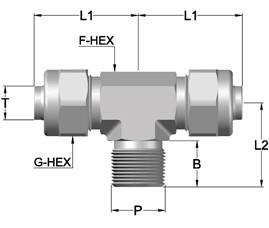
Bend Radius and What It Costs: Force a hose tighter than its rated radius and the wall deforms, which restricts the bore and adds pressure drop across the run. Stainless tube handles the same corner with a formed bend instead. Neither option is free, though one fails quietly and the other does not. Machine builders find this out late, usually during commissioning.

Access for the Person Holding the Spanner: A joint buried behind a motor mount will be reached eventually, and rarely under calm conditions. Swivel bodies and push in styles let a technician break the connection without stripping half the assembly. Pneumatic hose and fittings chosen for serviceability keep planned downtime short. Spanner clearance around a nut deserves the same check as the pressure rating.

Materials, Threads and the Quiet Failures

Stainless Where Washdown Bites: Brass survives a dry factory for years and pits within months near steam or caustic cleaning. Grade 316 stainless brings corrosion resistance that suits food lines, marine decks and coastal plants. The cost sits higher at purchase and lower across the life of the installation. NPT and BSPP threads look alike and seal differently, which catches people out.

Sizing the Vent to the Duty: A cylinder cycling twice a minute asks little of its exhaust path. One running at forty strokes a minute is a different problem, and quick exhaust valves sized to the true flow keep each stroke crisp. Check the rating in bar and psi before an order goes out. Undersized parts show up as sluggish motion.

Checks Worth Making Before the Order:

  • Port orientation on the cylinder cap, since a rotated boss changes every downstream bend.
  • Spanner swing.
  • Wall thickness against the working pressure, quoted in bar and psi.
  • Whether a tube can be replaced without dismantling the guard.
  • Thread form. NPT and BSPP are not interchangeable.

Building Air Systems That Stay Serviceable

Space, access and connection direction sit alongside pressure and bore in any sensible selection process. Get them wrong and the machine still runs, right up to the first breakdown in a tight corner. Speak to a manufacturer’s technical team early in the layout stage for guidance on component choice. Drawings are cheaper to change than castings.

A Constant Pressure Well Pump Can Make Busy Household Water Use Feel Much More Consistent

Seven in the morning. The shower is running, the dishwasher has just filled up, and someone flips on the garden tap outside. Pressure sags at all the points. In homes drawing from a private well, that sag is a daily annoyance, and it is one reason a constant pressure well pump has become a common upgrade option across rural properties.

When Every Tap Competes for the Same Well

Where Cycling Systems Lose Their Grip: A traditional setup switches the motor fully on at a low pressure point and fully off at a high one. Demand shifts, and the water riding through the pipes shifts with it. A constant pressure well pump works differently by matching motor speed to whatever the house is actually drawing at that moment.

Pressure Swings and What Sits in the Water: Sharp drops can pull sediment loose inside older casings, and repeated cycling stirs whatever has settled at the bottom of the well. Pressure and water quality sit closer together than most people assume. A water potability test gives homeowners a clear reading on bacteria and mineral content, which matters more once taste or clarity starts to change.

The Controller Doing the Quiet Maths

How the Drive Reads Demand Second by Second: A variable frequency drive sits between the power supply and the motor, adjusting frequency so the impeller turns faster or slower. Sensors feed it a pressure reading many times a minute. Open one tap and it eases back. Open a few more and it climbs, holding the same target without the on-off jolt.

What Steady Speed Does to Motor Wear: Every full start pushes a surge of current through the windings, and thousands of those starts add up across a single season. Running a constant pressure well pump at a lower steady speed cuts the number of hard starts. Motors last longer. The benefit shows up slowly, in repairs that never get booked.

Signs the House Is Fighting Its Own Water Supply

Reading the Symptoms before the Repair Bill: A shower stream that dies back the moment the washing machine fills is the usual first complaint. Taps that spit air come later. Behind both sits a pressure tank that has lost its charge or a motor cycling far more than it should. Households adapt around it for months, staggering laundry and showers, until something gives out.

  • Water that runs strong upstairs but weak downstairs, or the reverse
  • Pump noise starting and stopping every couple of minutes
  • Sediment in the kettle
  • A well that struggles more in late summer, when the groundwater table sits lower
  • Showers that turn cold as soon as another tap opens

Separating Water Problems from Pump Problems: Not every complaint traces back to the pump. Hard water scales up fixtures and narrows pipe openings over the years. A water potability test, run alongside a hardness check, separates a supply problem from a delivery problem. Plenty of households replace a pump when the real trouble was in the water all along.

Getting the Whole House Back on Steady Water

Steady pressure is not a luxury upgrade. The difference shows up in whether a household plans around its water or simply uses it. Speak to a local well and pump specialist about a system sized for your household, your well depth and the way your family actually draws water through the day.

Why Bristol Building Owners Get Caught Out by TM44 Rules

Most owners only think about TM44 when something forces them to. A solicitor asks for the certificate halfway through a sale. An insurer queries it after a claim on the cooling system. By that point, the deadline has usually passed, and someone is trying to fix five years of quiet neglect in a fortnight.

Who Actually Needs a TM44 Air Conditioning Inspection

The rules cover almost every commercial building with air conditioning, which catches out smaller sites more than anyone expects. Offices above a parade of shops. Dental practices. Independent hotels and care homes. If you own or manage one of these, a TM44 inspection in Bristol is not optional and never has been. The confusion comes from the fact that nobody chases you for it until money is involved.

What Happens When TM44 Compliance Slips

Enforcement is patchy, and that is probably why so many owners gamble on it. Trading standards officers can issue penalty notices and can demand the report. Weak TM44 compliance also has a habit of surfacing at the worst possible moment:

  • During a commercial sale or a refinancing valuation
  • When an incoming tenant’s solicitor runs pre-let checks
  • After an insurance claim involving the air conditioning
  • Inside an ESG or supply chain audit

None of those is fine. All of them cost you money, and a delayed completion usually costs far more than the inspection would have.

How TM44 Certificates Are Recorded and Checked

Certificates get lodged on the Energy Performance of Buildings Register, which anyone can search. That detail matters more than most owners realise. A buyer’s solicitor does not ring you to ask whether you are compliant. They look the building up, find nothing there, and raise it as an inquiry. Now you are answering questions during a transaction rather than before one.

Small Split Units and the 12kW Threshold Problem

Many owners assume they fall below the threshold because each unit looks modest. The regulations count the combined effective rated output of all air conditioning in the building, not the biggest single unit. Eight small splits across three floors will push you over 12kW without anyone noticing. Ductwork added during a refit does the same thing. If your building has been altered since the last assessment, the old answer may no longer hold.

Booking Before the Deadline Bites

Inspections run on a five-year cycle, so the safest approach is checking your certificate expiry now rather than when a solicitor asks. Anyone weighing this up can start with a TM44 air conditioning inspection and get the certificate recorded properly, well ahead of any sale or audit.

Vacation Rentals Ft Myers Beach FL Make Longer Stays More Comfortable When the Property Works Like a Home

Two nights in a hotel is fine. Two weeks is a different story, once the suitcase never really unpacks and every meal comes from a restaurant. Longer trips need space to spread out. Vacation rentals in Ft Myers Beach FL give extended visitors a kitchen, a living room and somewhere to put things down.

Stay Lengths That Match How Long the Trip Actually Runs

Weekly, Two Week and Monthly Options: Rental categories split by length for a reason. Vacation rentals in Ft Myers Beach FL list weekly, two week and monthly terms, so someone settling in for the winter books differently than a family taking seven days. Matching the term to the trip keeps the paperwork simple and the rate structure clear.

Longer Terms and Better Availability: Monthly bookings move fast in winter. Travelers planning extended Fort Myers Beach vacations reserve months ahead, since the properties set up for long stays are the first ones gone. Waiting until January to look for a February month leaves thin pickings, mostly units built for short weekends and little else.

The Kitchen and the Laundry Decide How the Second Week Feels

Cooking Space over Restaurant Fatigue: Restaurant meals lose their shine around day nine. A full kitchen changes that, letting groups cook a few nights and eat something normal. Anyone who understands the importance of taking a vacation knows rest matters more than novelty, and standing in line for dinner every single evening stops being rest fairly quickly.

Laundry That Saves the Suitcase: Packing for two weeks without a washer means hauling half a closet. Many vacation rentals in Ft Myers Beach FL include in unit laundry or shared machines on site, which cuts the packing list down hard. Salt water and sand go through clothes fast, so the machine gets used more than anyone expects.

Settling into the Island Instead of Passing Through

Living Space beyond the Bedroom: A separate living area matters when the trip runs long. Rain hits for two days and a family stuck in one room starts climbing walls. The slow travel approach depends on somewhere to sit, read and do nothing, which a hotel room rarely offers past the first weekend or so.

What Longer Stays Really Need: Groups booking extended Fort Myers Beach vacations look at different details than weekenders do. Storage, grocery access, parking and a workspace start to matter once the stay stretches past a few nights. These points come up again and again from people who have already spent a month somewhere without them.

  • Closet and Storage Space: Two weeks of clothes need somewhere to go besides an open suitcase on the floor.
  • Grocery Stores Nearby: A long stay means real shopping trips, not one cooler run on arrival day.
  • Reliable Internet: Remote work and school assignments both depend on it.
  • Parking: Room for the car, and a second one if the group brings it.
  • Screened Outdoor Area: Evenings outside stay pleasant once the bugs show up.

A Long Stay That Feels like an Address, Not a Reservation

A property built for long stays stops feeling like lodging somewhere around the end of week one. The grocery run becomes routine. The walk to the sand becomes a habit. Check weekly, two week and monthly availability for the dates in mind, before the long stay listings fill for the season.

From New Hires to Entire Teams: Embroidery in Houston for Consistent Company Apparel

A company hires four people in March, six more in July, and by fall nobody’s shirts match. The first batch has chest logo stitched in navy with legible text. The newer ones sit slightly smaller, in a royal blue that has scrunched illegible text. That drift happens quietly. Businesses turning to embroidery in Houston usually notice it only after a customer points it out.

When a Growing Roster Outpaces the Uniform Closet

Why Mismatched Staff Apparel Signals More Than It Should: A customer who sees three different logo treatments in one crew reads it as sloppiness, fairly or not. Consistent stitching across polos, jackets and caps is what makes embroidery in Houston worth specifying properly. Thread color, stitch density and logo size all need to carry from the first order to the fifth.

Where Print Work Fits Alongside Stitched Garments: Not every garment suits needlework. Lightweight tees, event shirts and giveaway pieces sit better with custom screen printing in Houston, which handles larger runs at a lower cost per piece. Many companies run both methods across one roster, stitched shirts for client-facing staff and printed tees for warehouse crews or seasonal hires.

One Logo, Many Garments, No Guesswork

How Placement Rules Protect Your Look: Placement is where most orders go sideways. A logo placement on a polo does not land the same way on a button up shirt with a front pocket, or on a cap panel with a curved seam. Written placement specs, keep corporate branding steady no matter the garment style.

Matching Thread and Fabric Across Different Styles: Fabric changes how stitching sits. Performance knits pull differently than heavy cotton twill, so backing weight gets adjusted. Reorders of embroidery in Houston hold their appearance when the original thread codes and digitized file stay on record. Skip that step and the second batch never quite matches the first.

Inside the Steps That Keep Every Batch Matching

What Happens Between Approval and Delivery: A digital mockup comes first, showing the logo on the actual garment color. Approval locks the specs. Production runs after that, followed by inspection before anything ships. That sequence supports quality assurance and keeps errors from multiplying across a hundred pieces instead of one.

Each stage does something specific:

  • Digital mockup confirms size, placement and thread colors before a needle moves
  • Written approval creates a record for future reorders
  • Commercial production runs the full batch on calibrated machines
  • Final inspection catches loose threads, misalignment, missed garments

Ordering for Twenty People Without Twenty Problems: Larger orders mix sizes, styles and sometimes decoration methods. Custom screen printing in Houston carries its own minimum, separate from stitched work, so combining both takes a little planning. Sorting garments by department ahead of time usually saves a round of back-and-forth later.

Your Whole Team, Looking Like One Company

Consistency is not a design problem. It is a records problem, solved by keeping specs, files and thread codes tied to your account so batch nine matches batch one. Reach out with your headcount, garment preferences and deadline, and a proof can be back in your hands quickly enough to keep the rest of your schedule intact.

Why Lake Trout in Quebec Takes 20 Years to Reach 30 Inches

A 30-inch lake trout pulled out of northern Quebec water is often older than the angler holding it. Not always. But growth runs slow up here; the water stays cold; the season is short; and a fish that size has usually been feeding for two decades before anyone gets a net under it. Once you know that, the fish in your hands starts to feel different.

Anglers choosing a Quebec fishing camp for a trout week tend to compare boat packages, cabin photos and shore lunch talk. Reasonable enough, those things matter by Wednesday. The harder question is what happens to the fish after the picture gets taken, and whether anyone is pulling trout out of that lake in the months you are not there.

Good Quebec Lake trout fishing needs a few things to line up at once. Cold water carries enough oxygen. Forage the trout can actually reach. Light pressure spread across the whole calendar, not just the summer weeks. Ogascanan closes completely for winter, so nobody is standing over a hole in February hauling up stacked fish while the lake sits under two feet of ice.

How biologists age a slow-growing lake trout

Nobody guesses a trout’s age from its length. Fisheries crews read the otolith, a small bone in the inner ear that lays down growth rings roughly the way a tree does. Work across Canadian Shield lakes has turned up plenty of trout over the past 20 years, and a fair number over the past 40. Pull a dozen of those out of one lake and the replacement takes most of a generation.

Releasing deep trout without killing them by accident

By late July, the fish have dropped well down, and that creates a problem most anglers underestimate. Hauling a trout up quickly from 60 or 70 feet causes barotrauma, and a fish that swims off looking fine can still be dead an hour later. Fight it fast rather than playing it out. Keep it in the water while you unhook. Skip the long vertical hold for photos, which is where a lot of released trout quietly get written off.

What the trout season looks like month by month

  • Late May and June: fish hold shallow and hit casting gear near rocky points
  • Early July: they start sliding deeper as the surface warms
  • Late July into August: downrigger and jigging water, often 50 to 80 feet
  • Right through: every trout goes back, no exceptions on this lake

Walleye and pike get most of the attention at Ogascanan, and the walleye slot law between 14.5 and 21 inches gets talked about more often. Trout are the quieter story. They are also the species that tells you most about how a lake has been managed, because a lake that has been leaned on hard for thirty years simply stops producing big ones.

The Mullens family has run this lake for 36 years and holds the only land on the lake. The trout are still there. That is not luck but proper planning.

What Should You Check before Comparing Derma Chair Price across Different Models?

Price lists make comparison look simple. Two chairs, two figures, pick the lower one. That logic collapses the moment the specification sheets come out. A derma chair price reflects motor count, frame gauge, upholstery grade and the controls fitted as standard, so the cheaper quote is not automatically the better buy for a working dermatology clinic.

Where Two Similar Quotes Hide Very Different Machines

Specification Gaps Hidden inside a Single Figure: The derma chair price worth paying covers four motor movement, programmable positions and electronic tilt, and those features can add value across laser, biopsy and filler work. Read the adjustment range first. Then check what the seller has left out of the standard package, because accessories are where quotes drift apart.

Why Treatment Overlap Shapes the Shortlist: Plenty of dermatology centres run intravenous drips, PRP sessions and minor excisions in the same room. An IV infusion recliner gives those clinics a seated position with electronic height and backrest control, which can be useful for longer cannulation and drip cycles. Comparing that against a derma chair clarifies which quote better matches your case mix.

Motors, Frames and the Parts Buyers Skip

Motor Count and Frame Build Matter for Long-Term Use: Count the motors before anything else. A four motor chair moves height, backrest, leg rest and tilt independently, while other units may combine two movements onto one actuator. That independence can provide greater flexibility when positioning a patient for procedures such as excisions and biopsies, and precision welded steel frames are an important consideration for chairs used through repeated daily adjustment.

Upholstery Built for Daily Cleaning: Skin clinics wipe surfaces down between every patient, sometimes many times across a shift. Upholstery specified for disinfectant contact, with UV and abrasion resistance where applicable, can be an important consideration for regular clinical use. Sound aseptic technique depends on appropriate cleaning and infection-control procedures, so material grade deserves a line of its own on the comparison sheet.

Hydraulic or Electric and What Each One Really Costs

Manual Lift Systems and Where They Still Work: Hydraulic models can sit lower on the quote and need no power point, which suits a small clinic running cryotherapy and short consultations. Foot pumping between patients adds a manual adjustment step across a busy list, though. That difference is one reason to compare the adjustment requirements and operating routine before deciding on a derma chair price.

Electric Adjustment for Longer Procedure Lists: Motorised height and tilt let the practitioner reposition a patient without manually adjusting the mechanism. Trendelenburg tilt may also be a required feature for certain clinical applications, so the suitability of the positioning range should be checked against the clinic’s procedures and the manufacturer’s specifications. Clinics running an IV infusion recliner alongside derma seating can also consider whether common control functions make the equipment easier to operate within their workflow.

Quick checks worth running before the numbers go side by side:

● Motor count, and which specific movement each motor controls

● Frame gauge and stated weight capacity, in writing

● Upholstery specification, not just the colour chart

● Handset type. Programmable memory or basic up and down

● Accessories included as standard, such as stools, armrests and paper roll holders

● Warranty length and how far the service network reaches

Turning a Quote into a Confident Purchase

Specification sheets take longer to read than price tags, and that reading can make the comparison more useful. Ask every supplier for motor counts, frame details and warranty terms in writing before you compare figures. Request a full technical breakdown for each model on your shortlist, then buy on evidence rather than guesswork.

Nickel Alloy 625 Tubing for Aerospace Applications: Getting the Material and Dimensions Right

Aerospace prints leave almost no room to negotiate. Wall tolerance, surface finish, temper, all of it gets called out before the alloy even comes up in conversation. Buyers chasing nickel alloy 625 tubing find the grade easily enough. Getting it in the exact dimension a hydraulic line needs is the harder part.

Why the Alloy Choice Is the Easy Half

Strength that Holds through Extreme Temperature Swings: Nickel alloy 625 tubing performs across a wide temperature band, from cryogenic fuel lines up through hot section exhaust components, which is why airframe and engine builders keep specifying it. The niobium and molybdenum content strengthens the matrix without a separate aging step. Weldability stays good. Fatigue resistance holds up under vibration.

Where the Specification Really Gets Written: Alloy selection takes maybe ten minutes on a design review. The rest of the spec, outside diameter, wall, length tolerance, ovality, straightness, surface condition, eats far more time and causes more rejections. A tube that meets every chemistry requirement still gets tagged at receiving when the wall runs thin by a few thousandths.

Paperwork and Testing that Aerospace Buyers Cannot Skip

Inspection Methods Written into the Purchase Order: Seamless tube destined for flight hardware goes through more than a hydrostatic check. Eddy current testing catches surface and near surface defects that a visual pass misses entirely, and AMS specifications call it out by name for certain sizes. Ultrasonic examination covers the heavier walls. Buyers should confirm which method the mill runs.

Forms and Dimensions Worth Confirming Early: Seamless and welded both exist in this grade, and the choice shifts with pressure rating and cost. Nickel alloy 625 tubing comes in small bore instrument sizes right through heavy wall exchanger tubes, in coils or cut lengths. Annealed condition matters when tight bends are to be negotiated. Nobody asks about temperature until material cracks on the bender.

  • Seamless cold drawn where pressure ratings and flight certification apply
  • Welded tube for lower pressure runs, cheaper per foot
  • Coiled lengths cut down on field joints in instrument and hydraulic routing
  • Grade 1 annealed for forming work, Grade 2 solution annealed for creep service
  • Thin wall in small diameters, if the mill has a run scheduled

Turning an Application Requirement into a Purchase Spec

Records that Travel with the Metal: Material traceability decides whether a shipment clears a quality department or sits in quarantine for a month. Heat number tied to a certified test report, chemistry and mechanical results attached, mill of origin named. Aerospace primes audit this trail hard, and a distributor without proper records puts a build schedule at risk.

Working Backward from Operating Conditions: Start with the service condition and the numbers fall out. Operating temperature sets the temper. Pressure and diameter set the wall through a code calculation. The environment decides whether seamless is required at all. Engineers who run that sequence before calling a supplier get a usable quote on the first try.

Getting Flight Hardware Material Right the First Time

Aerospace programs rarely stall over which alloy to use. They stall over a tube that arrived out of tolerance, or a cert that never showed up with the shipment. Working through dimensions and documentation before release changes that. Speak with a supplier about available forms and request a quote against the print.

Criminal Lawyers in North Bay Deal with More than Courtroom Arguments

A charge lands, and most people picture a dramatic trial. That picture is wrong. Much of what criminal lawyers in North Bay handle happens in offices, police stations and quiet negotiation rooms, weeks or months before anyone stands in front of a judge. The courtroom is the last stop. By then, the outcome has already taken shape.

The Quiet Months that Decide a Case

Work that Starts the Moment Charges Are Laid: Files arrive thin. Police notes, a synopsis, maybe a witness statement or two. The early weeks see criminal lawyers in North Bay chasing everything the Crown holds, then reading it against what the accused actually remembers. Gaps show up. Timelines shift. What looked airtight on paper starts to loosen once somebody checks the details properly.

Why the Story behind a Charge Matters: Circumstances rarely fit neatly into a charge sheet. A dispute at home, a mental health crisis, a misunderstanding between neighbours. Charges tied to a relationship breakdown may run beside custody or access proceedings, which is where a family lawyer in North Bay becomes part of the picture. Context changes how the Crown sees a file.

Freedom Hangs on What Happens First

Preparing a Release Plan that Holds Up: Release is not automatic. A bail hearing turns on plausible sureties, a workable address and conditions a court believes someone will actually keep. Someone has to find that surety, prepare them for questioning and put a plan together fast. Rushed applications get refused, and a refusal can keep a person in custody for months.

Conditions that Reshape Daily Life: Curfews, no-contact orders, restrictions on where a person can live or work. These follow releases and breaking one creates a fresh charge. Reviewing whether conditions are realistic falls to criminal lawyers in North Bay, who apply to vary terms that make employment or childcare impossible. Small changes here prevent much bigger problems further down the line.

Deals, Disclosure and the Paperwork Nobody Sees

Negotiations that Never Reach a Judge: Most files resolve without a trial. A pre-trial conference lets defence counsel and the Crown test positions, narrow the issues and sometimes agree on a withdrawal or a lesser charge. Preparation decides who has leverage. Counsel who knows the weak points in the evidence walks in with something to trade.

  • Defence counsel reads disclosure line by line, including notes, video and audio that arrive late
  • Missing material gets chased, sometimes twice
  • Witnesses matter, so interviews happen early before memories blur
  • Applications on search, detention or unreasonable delay
  • Court dates explained properly, so nobody walks in blind

When One Charge Touches Everything Else: A criminal matter rarely sits on its own. Immigration status, employment, professional licences, contact with children. Where a case overlaps with separation or parenting disputes, coordination with a family lawyer in North Bay stops one proceeding from damaging the other. Statements made in family court can surface later in a criminal file.

Standing on Solid Ground before the First Hearing

Charges move quickly and early mistakes are hard to undo. Anyone facing a criminal allegation should speak to defence counsel before the first appearance, not after. Book a confidential consultation, bring every document received so far, and ask what the coming months will involve. Waiting rarely helps, and the clock starts on day one.

What Every Homeowner Should Know About Roof Damage

Your roof system does more than cover your home. It provides a protective layer to everything beneath it, from family property to the supporting structure of your home. Many homeowners overlook minor roofing issues until they develop into larger and more expensive problems.

When issues such as leaks, missing shingles, or visible wear on a roof occur, a call to a professional roof repair Los Angeles service may resolve issues before the problems spread. Addressing problems early can help prevent costly repairs and property damage.

Why Roof Problems are Hard to Detect

Many roofing problems develop out of sight beneath shingles, flashing, or other roofing components. A roof that may appear to be in good condition may have issues that are developing over time, which could lead to extensive damage to your property. This is why you should have routine inspections to ensure that your roof and property are safe.

Some of the normal causes of damage may include:

  • Heavy rain
  • Storm damage
  • Fallen tree branches
  • Poor attic ventilation

The Cost of Delaying Repairs

Despite potential minor repairs, roof problems usually do not stay small for long periods of time.

One shingle lifted can mean water is pooling under your roof’s layers. This water will eventually decay every component of your walls, ceilings, and interior. Problems that begin with one small repair often require large subsequent repairs.

The National Weather Service reports that annual property losses from severe weather events in the US exceed billions of dollars. Severe weather remains one of the leading causes of residential roof damage across the United States.

The Important Role a Functional Roof Plays

A good roof system takes on more than the role of rain protection.

Shields Indoor Areas

The roof is the first barrier against a multitude of attacking elements.

Moderates Energy Consumption

A good roof helps a building stay cool in summer and warm in winter.

Improves Resale Appeal

A well-maintained roof can improve curb appeal and increase buyer confidence during the home-selling process.

Protects Your Budget

Permanent repairs help you avoid the costs of emergency repairs.

The Importance of On-Site Knowledge

Different regions present unique roofing challenges. A professional Roofer Los Angeles homeowners trust understands these local challenges. Local contractors have the expertise to provide solutions that meet the climate and construction codes of an area.

Some Roofing Problems Demand Urgent Attention

There are some roofing issues that, if you ignore, create a greater risk of more serious structural issues.

Signs to look out for:

  • Water stains on ceilings
  • Missing shingles
  • Sagging sections
  • Mold growth
  • Increasing utility bills

The US Department of Energy reported that the energy consumption and cost to heat and cool a house can be reduced through the proper insulation and performance of a roof.

Conclusion

The roof of a home is an expensive, but necessary, investment. Preventative maintenance is critical to a homeowner’s financial peace of mind. Regular inspections and timely repairs help extend roof life, reduce repair costs, and protect the long-term value of a home.