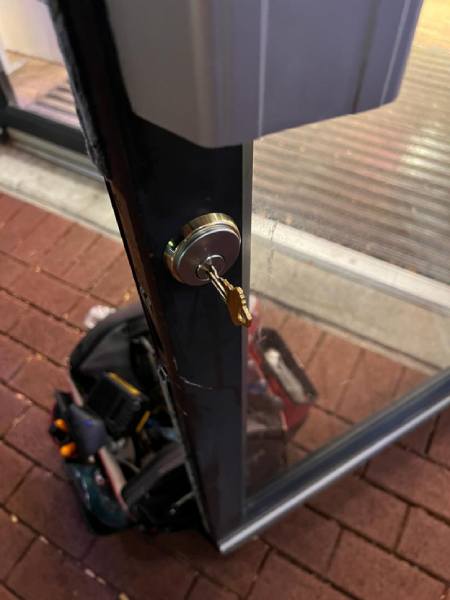
Street-level windows are common in the District. Rowhouse garden units, basement apartments, first-floor condos, and street-level offices often sit just a few feet from the sidewalk. If your bedroom window faces the street, you have probably wondered how easy it would be for someone to reach in. That thought tends to come back at night.
A locksmith in Washington DC does more than change locks and cut keys. Residential work also covers window guards, window grills, peephole installation, and iron gate repair. These products stop problems at the window or front door before anyone reaches a lock. It makes sense to have the same person handle everything, since the work often happens on the same doors and windows.
How Window Guards and Window Grills Compare
A window guard is a set of metal bars fitted across the inside or outside of a window frame. A grill does the same job, and it often has a decorative pattern that matches older DC homes. Both are bolted into the frame or the surrounding masonry. The choice is perhaps more about looks than strength. A plain guard costs less, while a grill blends in better on a historic facade.
Building Code Rules for Bars on Bedroom Windows
Here is why the bedroom window needs extra thought. The International Residential Code, a model code many US cities base their housing rules on, requires every sleeping room to have an emergency escape and rescue opening. If bars cover that window, the code says they must release or come off from the inside without a key, a tool, or special knowledge. The code also sets a minimum net clear opening of 5.7 square feet for these openings. A quick-release guard meets that rule. A fixed guard on a bedroom window does not. Local rules can differ, so check with the city building department before you order anything.
Door Peepholes and What They Let You See
A peephole, also called a door viewer, is a small tube that fits through a hole drilled in the door. The outer end holds a fisheye lens, which bends light so you can see a wide area of the hallway or porch through a tiny opening. You can check who is outside without opening the door or unlocking the chain. Door viewers come in lengths sized to door thickness. The installer measures the door before drilling, so the viewer sits flush on both sides and does not wobble.
Next Steps Before You Book an Installation
A little preparation makes the visit shorter. Consider these points first:
- Walk through your home and count every window at ground level or below.
- Decide which bedroom window will serve as the escape route.
- Measure the thickness of your front door, or let the installer do it on site.
- If you rent, ask your landlord for written approval before any drilling.
Getting Windows and Doors Checked in One Visit
A single appointment can cover window guards and a new peephole. The technician can also check the door locks and strike plates while on site. Ask for a written quote that lists each item, and plan the work around the rooms you use most.