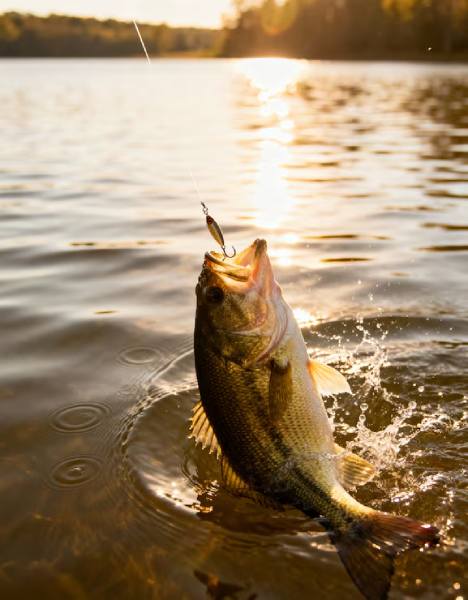
A 30-inch lake trout pulled out of northern Quebec water is often older than the angler holding it. Not always. But growth runs slow up here; the water stays cold; the season is short; and a fish that size has usually been feeding for two decades before anyone gets a net under it. Once you know that, the fish in your hands starts to feel different.
Anglers choosing a Quebec fishing camp for a trout week tend to compare boat packages, cabin photos and shore lunch talk. Reasonable enough, those things matter by Wednesday. The harder question is what happens to the fish after the picture gets taken, and whether anyone is pulling trout out of that lake in the months you are not there.
Good Quebec Lake trout fishing needs a few things to line up at once. Cold water carries enough oxygen. Forage the trout can actually reach. Light pressure spread across the whole calendar, not just the summer weeks. Ogascanan closes completely for winter, so nobody is standing over a hole in February hauling up stacked fish while the lake sits under two feet of ice.
How biologists age a slow-growing lake trout
Nobody guesses a trout’s age from its length. Fisheries crews read the otolith, a small bone in the inner ear that lays down growth rings roughly the way a tree does. Work across Canadian Shield lakes has turned up plenty of trout over the past 20 years, and a fair number over the past 40. Pull a dozen of those out of one lake and the replacement takes most of a generation.
Releasing deep trout without killing them by accident
By late July, the fish have dropped well down, and that creates a problem most anglers underestimate. Hauling a trout up quickly from 60 or 70 feet causes barotrauma, and a fish that swims off looking fine can still be dead an hour later. Fight it fast rather than playing it out. Keep it in the water while you unhook. Skip the long vertical hold for photos, which is where a lot of released trout quietly get written off.
What the trout season looks like month by month
- Late May and June: fish hold shallow and hit casting gear near rocky points
- Early July: they start sliding deeper as the surface warms
- Late July into August: downrigger and jigging water, often 50 to 80 feet
- Right through: every trout goes back, no exceptions on this lake
Walleye and pike get most of the attention at Ogascanan, and the walleye slot law between 14.5 and 21 inches gets talked about more often. Trout are the quieter story. They are also the species that tells you most about how a lake has been managed, because a lake that has been leaned on hard for thirty years simply stops producing big ones.
The Mullens family has run this lake for 36 years and holds the only land on the lake. The trout are still there. That is not luck but proper planning.