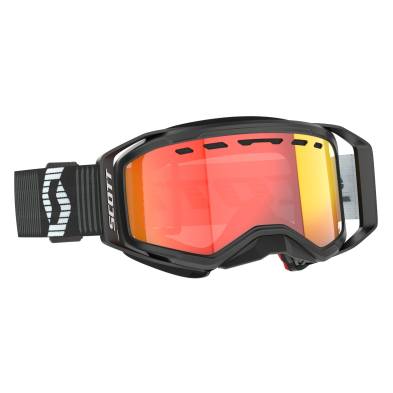
Temperatures on a Canadian trail rarely sit still. A start at minus twenty can soften by noon, and that swing is what turns a clear lens milky within minutes. Heated snowmobile goggles in Canada hold the view steady through those changes, which explains why so many sleds carry a warmed pair by January.
Fogged Lenses and the Cost of Lost Vision
Moisture Builds Faster than Riders Expect: Breath vapour, sweat from a hard climb and wet snow off the track all end up inside the frame. Warm air meets a cold lens and condensation forms. Heated snowmobile goggles in Canada work against that by keeping the inner lens above the dew point, so fog never gets started.
Gear Habits That Carry across Seasons: Plenty of riders swap sleds for bikes once the trails melt, and the shopping logic barely changes. Bike accessories in Canada are built around the same priorities of fit, venting and weather resistance, which is why gear that holds up through one season usually points towards what works in the other.
Heat, Airflow and Lenses That Stay Clear
Powered Lenses Keep Sight Open: A thin heating element runs through the inner lens and draws power from a small battery pack clipped to the strap. It warms the whole surface rather than one patch, so peripheral vision stays open at the edges where riders watch for markers and oncoming machines. Run time drops in a deep cold.
Tint Choices for Flat Light: Grey days flatten the trail until moguls and ice patches disappear from view. Amber and rose tints lift contrast in that light, while a darker mirror lens suits bright afternoons on open lakes. Quality lenses also block ultraviolet radiation, which bounces off snow harder than most riders realise. Carrying a spare lens helps.
Fit That Holds Steady over Rough Ground
A Frame That Meets the Helmet: Gaps between the goggle top and the helmet brow let cold air knife straight in. Heated snowmobile goggles in Canada work best when the frame curve matches the helmet opening with no daylight showing, so trying both together beats guessing from a size chart. Strap routing over the shell matters too.
Foam Layers and Strap Tension: Triple layer face foam seals better and soaks up sweat without pressing hard on the nose bridge. Bike accessories in Canada follow the same rule, where a strap tight enough to hold and loose enough to breathe keeps comfort intact on long rides. Silicone backing stops slipping on cold shells.
- Check the power cable runs clear of the helmet strap and does not tug when the head turns
- Vents should sit above the foam line, never under it
- Charge the pack fully before a cold start
- Lenses that swap without tools save frozen fingers on the trail
Clear Sight for Every Ride Ahead
Vision is the one thing a rider cannot compensate for at speed. Warm lenses and a sealed fit turn an unpredictable afternoon into something manageable, and the right tint does the rest. Riders heading into a full season should compare heated options now and match a pair to their helmet before the snow arrives.