Seven in the morning. The shower is running, the dishwasher has just filled up, and someone flips on the garden tap outside. Pressure sags at all the points. In homes drawing from a private well, that sag is a daily annoyance, and it is one reason a constant pressure well pump has become a common upgrade option across rural properties.
When Every Tap Competes for the Same Well
Where Cycling Systems Lose Their Grip: A traditional setup switches the motor fully on at a low pressure point and fully off at a high one. Demand shifts, and the water riding through the pipes shifts with it. A constant pressure well pump works differently by matching motor speed to whatever the house is actually drawing at that moment.
Pressure Swings and What Sits in the Water: Sharp drops can pull sediment loose inside older casings, and repeated cycling stirs whatever has settled at the bottom of the well. Pressure and water quality sit closer together than most people assume. A water potability test gives homeowners a clear reading on bacteria and mineral content, which matters more once taste or clarity starts to change.
The Controller Doing the Quiet Maths
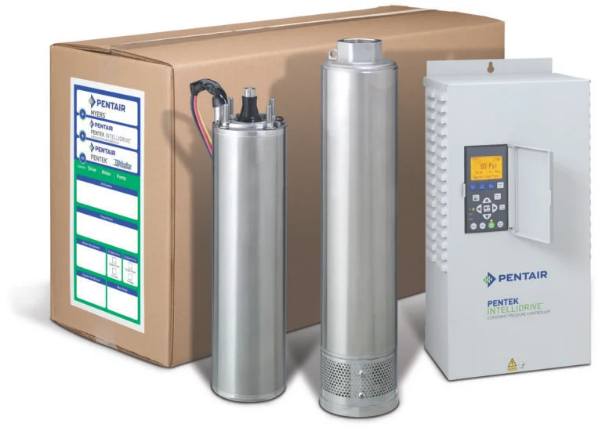
How the Drive Reads Demand Second by Second: A variable frequency drive sits between the power supply and the motor, adjusting frequency so the impeller turns faster or slower. Sensors feed it a pressure reading many times a minute. Open one tap and it eases back. Open a few more and it climbs, holding the same target without the on-off jolt.
What Steady Speed Does to Motor Wear: Every full start pushes a surge of current through the windings, and thousands of those starts add up across a single season. Running a constant pressure well pump at a lower steady speed cuts the number of hard starts. Motors last longer. The benefit shows up slowly, in repairs that never get booked.
Signs the House Is Fighting Its Own Water Supply
Reading the Symptoms before the Repair Bill: A shower stream that dies back the moment the washing machine fills is the usual first complaint. Taps that spit air come later. Behind both sits a pressure tank that has lost its charge or a motor cycling far more than it should. Households adapt around it for months, staggering laundry and showers, until something gives out.
- Water that runs strong upstairs but weak downstairs, or the reverse
- Pump noise starting and stopping every couple of minutes
- Sediment in the kettle
- A well that struggles more in late summer, when the groundwater table sits lower
- Showers that turn cold as soon as another tap opens
Separating Water Problems from Pump Problems: Not every complaint traces back to the pump. Hard water scales up fixtures and narrows pipe openings over the years. A water potability test, run alongside a hardness check, separates a supply problem from a delivery problem. Plenty of households replace a pump when the real trouble was in the water all along.
Getting the Whole House Back on Steady Water
Steady pressure is not a luxury upgrade. The difference shows up in whether a household plans around its water or simply uses it. Speak to a local well and pump specialist about a system sized for your household, your well depth and the way your family actually draws water through the day.