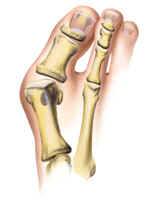
That sharp ache near your big toe. The pinching when you slip on the shoes you used to love. The strange way your second toe seems to curl on its own. You might brush it off for weeks, perhaps months. But foot problems rarely fix themselves, and bunion pain in Houston only gets worse when hot, humid weather adds swelling and irritation.
If bunion pain that podiatrists treat daily is something you recognize, you are not alone. And if your toes are bending in ways they should not, hammertoe surgery Houston specialists might be closer to your needs than you think.
What a Bunion Really Feels Like
A bunion is more than a bump. It is a slow shift in the joint at the base of your big toe, pushing it inward while a bony lump grows outward. The skin reddens. Walking gets harder. Even standing in the kitchen starts to feel like a chore. People often describe it as:
- A burning sensation along the inside of the foot
- Soreness that lingers after long days
- Difficulty finding shoes that do not press on the joint
- Stiffness in the morning that takes time to loosen
Ignoring it does not slow it down. Bunion pain in Houston tends to get worse over time, and the longer you wait, the fewer simple options you have left.
When Hammertoes Enter the Picture
Hammertoes often show up alongside bunions, and that is not a coincidence. When the big toe leans into its neighbor, the smaller toes get crowded. They start to bend at the middle joint, sometimes painfully. You might notice corns on top of the bent toes or calluses underneath.
At first, the toe still moves. You can press it flat. But over time, the joint stiffens and locks in place. That is when hammertoe surgery Houston foot doctors recommend becomes a real conversation.
What Surgery Actually Involves
Here is the part most people fear. They imagine months on crutches, scars, lost income, and a foot that never feels the same again. The truth is far less dramatic.
Modern procedures are precise. Many are done as outpatient surgeries, meaning you go home the same day. Recovery depends on the technique used, but most patients are walking with support within a couple of weeks.
Common approaches include:
- Removing the bony bump and realigning the big toe joint
- Releasing tight tendons that pull the toes into a bent position
- Fusing small joints to keep toes straight and stable
- Using small pins or screws that often stay in permanently without issue
Your podiatrist will choose based on how severe the deformity is, your age, your activity level, and your overall health.
What to Do Next
Start with a proper exam. X-rays show what the eye cannot, and a trained podiatrist can tell you whether conservative care still has a chance or whether surgery is the smarter path. Sometimes orthotics, padding, and shoe changes are enough. Sometimes they buy time. And sometimes, honestly, they only delay the inevitable.
Book a consultation, ask questions, and get a clear picture of your options before the pain decides for you. Your feet carry you through every day of your life.
Featured Image Source: https://foothouston.com/wp-content/uploads/2014/08/mdbunpic-1.jpg