There is a difference between getting through a treatment session and actually tolerating it. When a session runs forty minutes or longer, the body registers what the chair or table is doing. Spinal strain, leg fatigue, and armrest pressure accumulate. That discomfort carries a psychological weight that most procurement decisions never properly consider.
When the Chair or Table Becomes Part of the Problem
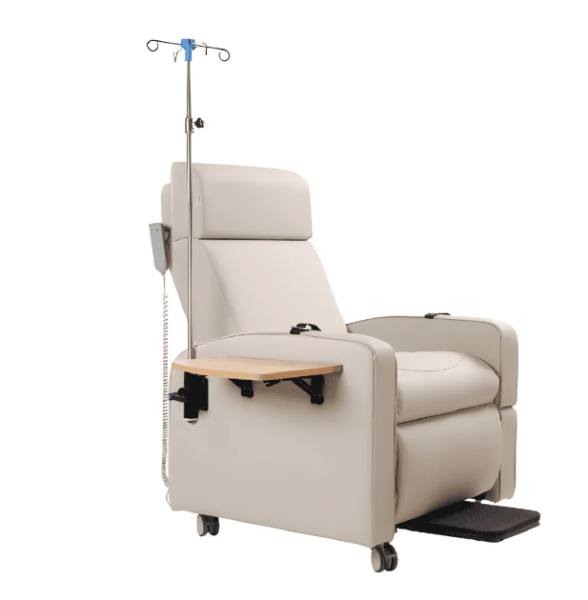
Seating That Works Through the Session: A well-chosen medical chair recliner supports the lumbar curve and distributes body weight evenly across the backrest, making a long infusion session feel manageable rather than punishing. Without that support, patients shift constantly, tense their shoulders, and finish a session more drained than the treatment itself warrants. That residual fatigue tends to be misattributed to the therapy rather than the equipment beneath them.
Positioning That Protects Rather Than Strains: A physical therapy table with adjustable sections and appropriate surface height allows therapists to place a patient correctly without forcing the body into awkward angles. When positioning is poor, muscle groups that should be resting stay engaged throughout the session. That low-level strain compounds across repeated visits, and patients often attribute the exhaustion to their condition rather than to poor equipment design.
The Clinical Cost of Ignoring What Patients Carry Home
How the Space Shapes the Patient’s Memory: Creating the right clinic setting means acknowledging that the patient experience does not end when the procedure does. Someone who leaves with a stiff lower back will not separate that discomfort from their memory of the facility. That association becomes a reason to delay appointments or look elsewhere. Comfort, in this sense, functions as patient retention.
Reduced Anxiety Leads to Better Procedure Outcomes: Making patients at ease during long clinical procedures has a measurable effect on cooperation. An uncomfortable patient flinches, repositions without warning, and asks the practitioner to pause more often. Seating and table design that holds the body without restricting it reduces that anxiety naturally. The session moves faster and clinical outcomes tend to improve as a result.
What Happens When the Equipment Finally Does Its Job
Measurable Shifts Clinics Notice After Upgrading: Facilities that invest in patient-centred furniture often notice changes that go well beyond comfort. Ergonomic support affects multiple aspects of the clinical visit. Key improvements reported by clinical teams include:
- Patients report lower fatigue levels at the end of long treatment sessions
- Practitioners sustain better working posture throughout procedures
- Upholstery that resists repeated disinfection simplifies infection control routines
- Repeat attendance improves when patients associate the facility with physical ease
Why Equipment Quality Affects Staff Performance Too: The physical burden on clinical staff increases when furniture fails to support the patient correctly. Practitioners spend extra effort repositioning or compensating for a chair or table that is not doing its job. That demand accumulates over a working day and contributes to delays across the schedule. The quality of the equipment affects everyone in the room, not just the patient receiving care.
Beyond the Procedure: What Good Design Does for a Facility
The Hidden Cost of Overlooking Clinical Furniture: The case for better furniture is rarely made on patient experience alone during procurement. Purchasing teams focus on price, durability, and warranty terms. But the actual cost of equipment that fails to account for pressure distribution properly shows up elsewhere: in patient attrition, in extended session times, and in the added physical demand placed on clinical staff.
When Comfort Becomes Part of the Clinical Plan: Some clinics treat furniture as a background decision, made once and then forgotten. That approach becomes visible in ways that are easy to miss at first: higher staff turnover, declining patient reviews, or growing reluctance among patients to commit to long treatment courses. When comfort is treated as a clinical priority rather than an afterthought, it changes how the space functions for everyone who uses it.
Where Every Treatment Session Should Begin
A facility that takes body support seriously communicates this before any treatment begins. The furniture tells every patient who sits down whether their comfort was considered in the planning. Clinics looking to improve patient satisfaction and session outcomes should assess their current equipment against these criteria, and speaking with a specialist medical furniture manufacturer is a practical first step.