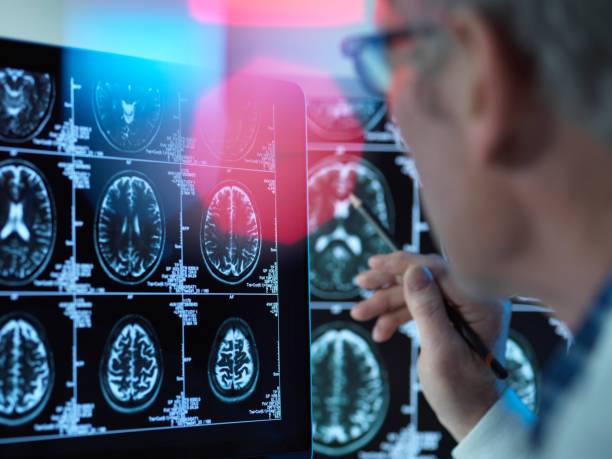
Healthcare education keeps changing as new tools arrive. Simulation labs and virtual dissection tables help students prepare, and 3D anatomy software fills gaps that older textbooks left behind. Yet something is missing when learning stays purely on a screen. The texture and unpredictability of real human tissue teach lessons that programs still struggle to reproduce.
Where Digital Models Reach Their Limit
Tissue That Behaves Like Real Life: Every textbook image shows a tidy version of the human anatomy. Real bodies rarely look that clean. Variations in blood vessels and unexpected organ placement appear constantly, and students who train on actual tissue learn to expect surprises. This is why donating a body to science still matters so much for hands-on instruction, even in a high-tech age.
A Choice That Reaches Future Patients: The decision carries weight beyond the classroom. When someone considers donating your body to science, that gift can shape how a surgeon makes a first incision or how a researcher tests a new approach. Future patients benefit from skills built on real anatomy, often years later, in ways the original donor never sees but absolutely makes possible.
The Generosity Written Into Every Donation
Giving With Nothing Expected Back: Choosing this path is fundamentally an altruistic act, since the donor gains nothing personal from the choice. The motivation tends to come from a wish to help others long after life ends. Families often describe a sense of comfort in knowing their loved one contributed to teaching and research rather than simply passing on quietly.
Planning That Spares Families Hard Choices: Many people fold body donation into their advance directives, settling the matter while they are still able to express clear wishes. This planning removes pressure from relatives during an already painful time. IDonation programs also cover most related costs,relieving families of the added stress that traditional services often create.
What Real Anatomy Makes Possible
Skills That Need a Real Body: Certain lessons depend on working with genuine anatomy, and no model has fully replaced them yet. Medical schools and surgical training programs rely on donated bodies for practice that would otherwise stay theoretical. A short look at what this enables shows why the need stays steady across so many fields.
- Practicing complex surgeries before working on living patients
- Studying rare conditions that simulations cannot recreate
- Testing new devices and tools on real tissue
- Teaching students how disease changes the body over time
- Training experienced doctors on updated techniques
Why Simulation Still Falls Short: Software keeps improving, and some programs feel remarkably real. Still, a screen cannot fully recreate the resistance of tissue under a scalpel or the slight differences between one person and the next. That gap is exactly where donated bodies fill a role nothing else has managed to take over, at least not yet.
Leaving Knowledge as a Lasting Gift
Choosing to donate offers something rare: a way to keep helping others after a life has ended. The medical knowledge built on these gifts reaches patients who will never know whose generosity made their care possible. For students and researchers, each donation becomes a teacher that no machine has replaced, andprobably will not for a long while. These gifts shape the knowledge that reaches patients who will never know whose generosity made their care possible. For students and researchers, each donation becomes a teacher that no machine has replaced and probably will not for a long while.
Anyone weighing end-of-life options can learn more about registering as a donor and the support available throughout the process. Reaching out to a body donation program is a first step toward a legacy that keeps teaching long after you are gone.
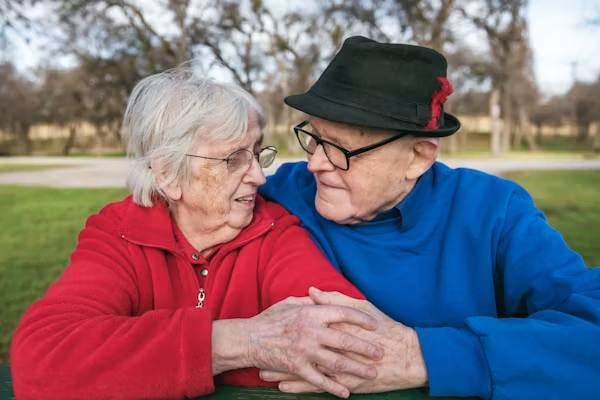
Featured Image Source: https://plus.unsplash.com/premium_photo-1674855780695-b5d5c3e86b88?w=600&auto=format&fit=crop&q=60&ixlib=rb-4.1.0&ixid=M3wxMjA3fDB8MHxzZWFyY2h8MXx8b2xkJTIwcGVvcGxlJTIwdGFsa2luZ3xlbnwwfHwwfHx8MA%3D%3D