Automotive collisions, minor fender benders, or even environmental damage can compromise a vehicle’s structural integrity, aesthetic appeal, and resale value. Beyond superficial scratches and dents, underlying damage can affect safety systems, alignment, and overall performance. Professional auto body repair is not merely about restoring a car’s appearance; it’s about reinstating its pre-accident condition, ensuring occupant safety, and preserving its longevity. This guide delves into the intricacies of auto body repair, from common services to the repair process, cost considerations, and how to select a reputable shop.
Why Professional Auto Body Repair Matters
The importance of professional auto body repair extends far beyond cosmetic fixes. Modern vehicles are complex machines, incorporating advanced materials like high-strength steel, aluminum, and composite plastics, alongside sophisticated safety systems such as crumple zones, airbags, and advanced driver-assistance systems (ADAS). Improper repairs can jeopardize these critical components.
For instance, incorrect frame straightening can compromise a vehicle’s ability to absorb impact in a subsequent collision, directly endangering occupants. Similarly, substandard paintwork can lead to premature corrosion, diminishing the vehicle’s lifespan and value. Certified technicians possess the specialized knowledge, tools, and training to repair these intricate systems according to manufacturer specifications (OEM standards). This ensures that the vehicle not only looks new but also performs as intended, maintaining its safety ratings and structural integrity. Furthermore, professional shops often provide warranties on their work, offering peace of mind and protecting your investment.
Common Auto Body Repair Services
Auto body repair encompasses a wide spectrum of services, addressing various types of damage. Understanding these services can help vehicle owners navigate the repair process more effectively.
- Collision Repair: This is the most comprehensive service, dealing with significant damage resulting from accidents. It often involves frame straightening using specialized equipment like frame machines and laser measuring systems, panel replacement (e.g., fenders, doors, hoods), and structural repairs. Technicians often hold I-CAR (Inter-Industry Conference on Auto Collision Repair) certifications, signifying expertise in collision repair techniques and vehicle-specific repair procedures.
- Dent Removal:
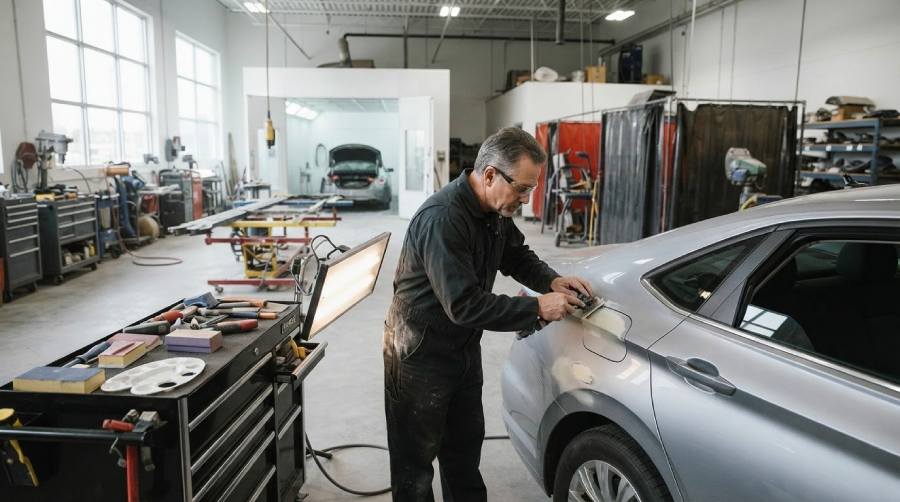
- Paintless Dent Repair (PDR): Ideal for minor dents and dings where the paint surface is intact. PDR technicians use specialized tools to meticulously massage the metal back into its original shape from behind the panel. This method is cost-effective and preserves the original factory finish.
- Traditional Dent Repair: For larger dents, creases, or those with paint damage, traditional methods involve filling, sanding, and repainting the affected area.
- Scratch and Paint Repair: Ranging from minor touch-ups to full panel repaints, this service addresses aesthetic damage. Modern paint shops utilize computerized color-matching systems to ensure seamless blending with the vehicle’s existing paintwork. High-quality clear coats are applied to protect the finish and provide a durable, glossy appearance.
- Bumper Repair and Replacement: Bumpers are designed to absorb impact and are frequently damaged. Depending on the extent of damage, bumpers can be repaired (e.g., plastic welding, reshaping) or replaced entirely.
- Windshield and Glass Replacement: Cracks or chips in windshields, side windows, or rear windows compromise visibility and structural integrity. Professional replacement ensures proper sealing and calibration of any integrated sensors (e.g., for ADAS).
- Frame Straightening: Crucial for vehicles involved in significant collisions, frame straightening restores the vehicle’s chassis to its factory specifications. This process is vital for maintaining proper alignment, handling, and the effectiveness of safety systems.
- Alignment Services: Post-collision, wheel alignment is often necessary to ensure proper steering, tire wear, and vehicle stability. This involves adjusting the angles of the wheels to the manufacturer’s specifications.
The Auto Body Repair Process: From Assessment to Delivery
The journey of a damaged vehicle through a professional auto body shop is a structured process designed for efficiency, accuracy, and quality.
- Initial Assessment and Estimate: The process begins with a thorough inspection of the damaged vehicle. Technicians identify all visible and hidden damage, often using diagnostic tools to check for electronic system faults. A detailed estimate is then prepared, outlining the necessary repairs, parts, labor costs, and estimated timeline. This is also when insurance claims are typically initiated, with the shop often assisting in communication with the insurer.
- Disassembly and Further Inspection: Once approved, the vehicle is disassembled in the damaged areas. This allows technicians to uncover any hidden damage that wasn’t apparent during the initial visual inspection. A supplementary estimate may be generated if additional damage is found.
- Structural and Body Repair: This phase involves the core repair work. Frame straightening is performed if necessary, followed by the repair or replacement of damaged body panels. Advanced welding techniques (e.g., resistance spot welding, MIG welding) are employed to ensure structural integrity. For vehicles with ADAS, specialized calibration equipment is used to ensure sensors and cameras function correctly after repairs.
- Paint Preparation and Painting: After bodywork, panels are meticulously prepared for painting. This includes sanding, priming, and masking areas not to be painted. A dust-free paint booth is used to apply multiple layers of primer, base coat (color), and clear coat. Computerized color matching ensures an exact match to the vehicle’s original finish.
- Reassembly and Quality Control: Once the paint has cured, the vehicle is reassembled. All removed parts, including trim, lights, and mechanical components, are reinstalled. A rigorous quality control inspection follows, checking for proper fit, finish, functionality, and adherence to OEM standards.
- Final Detailing and Delivery: The vehicle undergoes a final cleaning and detailing before being presented to the customer. A final walk-through ensures customer satisfaction, and any warranties on parts and labor are provided. For those in the Sacramento area seeking comprehensive and reliable auto body repair, Relux Collision offers high-quality collision repair, paint work, and dent removal with a focus on fast turnaround and insurance assistance.
Factors Influencing Auto Body Repair Costs and Timelines
Several variables dictate the cost and duration of auto body repairs. Understanding these can help manage expectations.
- Extent of Damage: Minor dents and scratches are significantly less expensive and quicker to repair than extensive structural damage or multiple panel replacements.
- Vehicle Make and Model: Luxury or exotic vehicles often use specialized materials and require proprietary parts, leading to higher costs. The availability of parts can also affect the timeline.
- Parts Type:
- OEM (Original Equipment Manufacturer) Parts: These are identical to the parts installed at the factory, ensuring perfect fit and quality, but are generally the most expensive.
- Aftermarket Parts: Produced by third-party manufacturers, these can be more affordable but may vary in quality and fit.
- Used/Recycled Parts: Sourced from salvage vehicles, these are the most economical option but their condition can vary.
- Labor Rates: These vary by region and the shop’s expertise. Highly certified technicians and specialized equipment often command higher rates. In California, for example, labor rates can range from $60 to $120 per hour, depending on the shop and the complexity of the work.
- Paint Type and Finish: Custom paint jobs, metallic finishes, or multi-stage paint processes are more costly than standard solid colors.
- Insurance Coverage and Deductibles: The customer’s insurance policy dictates what portion of the repair costs will be covered and the amount of the deductible they are responsible for. Many shops assist with navigating insurance claims.
- Shop Backlog: A busy shop might have a longer lead time for repairs.
Typical repair costs can range from a few hundred dollars for PDR or minor paintwork to several thousand for major collision repair involving structural components. Timelines can vary from a few hours for minor fixes to several weeks for extensive damage requiring parts ordering and complex procedures.
Choosing the Right Auto Body Repair Shop
Selecting a reputable auto body repair shop is paramount to ensuring a high-quality repair and a positive experience.
- Certifications and Training: Look for shops with industry certifications such as I-CAR Gold Class, which signifies a high level of training and expertise across all repair disciplines. OEM certifications (e.g., Ford, Honda, BMW certified) indicate that the shop is approved by specific manufacturers to repair their vehicles according to strict standards.
- Reputation and Reviews: Check online reviews on platforms like Google, Yelp, and the Better Business Bureau. Ask for recommendations from friends, family, or your insurance provider. A strong local presence and positive customer feedback are good indicators of reliability. For those seeking reliable auto body repair services, checking customer reviews and local listings can provide valuable insights into a shop’s quality and service.
- Insurance Company Relationships: Many reputable shops have direct repair program (DRP) agreements with insurance companies, which can streamline the claims and repair process. However, remember that you have the right to choose your repair shop, regardless of your insurer’s recommendations.
- Warranty on Repairs: A trustworthy shop will offer a warranty on both parts and labor, demonstrating confidence in their workmanship. Inquire about the duration and coverage of their warranty.
- Transparent Communication: The shop should provide a detailed, written estimate and keep you informed throughout the repair process. They should be willing to explain the repairs in an understandable manner and answer all your questions.
- Equipment and Technology: A modern auto body shop will invest in advanced equipment, including computerized diagnostic tools, frame machines, and sophisticated paint booths, ensuring precise and high-quality repairs.
- Customer Service: A professional and courteous staff, clear communication, and a willingness to assist with rental car arrangements or insurance paperwork are all signs of excellent customer service.
Choosing the right auto body repair shop is an investment in your vehicle’s safety, longevity, and value. By prioritizing expertise, transparency, and customer satisfaction, you can ensure your vehicle receives the meticulous care it deserves.