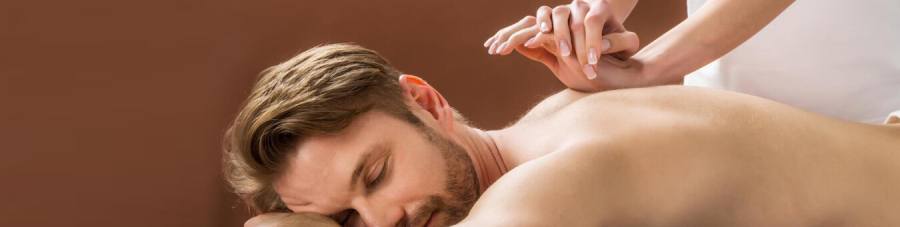
Overview
Hot stone massage technique is a type of specialty bodywork that involves the use of smooth heated basalt stones placed on key points of the body and used in strokes to relieve deep muscle tension, alleviate chronic stress, and improve circulation. With the heat stored in these stones, it allows therapists to work deeper with less pressure making this method beneficial for clients who are fighting muscle tension, lack of blood circulation or stress.
This guide will detail how hot stone massage works, the physical and mental health benefits of being treated with it, who should be cautious of receiving this treatment, and other helpful hints on choosing a provider. It details what you might expect in a typical session, how stones are heated and sanitized, and conditions from pregnancy to blood clotting disorders that may require caution or medical clearance first. It also explains how to check a therapist’s credentials and experience.
Regardless of whether you want chronic pain relief, less stress, or just general relaxation as the main goal, understanding a few things about the mechanics of the technique, and also its safety profile is important to getting something out of it — because knowing how these subtle techniques work helps you avoid causing further harm that can be avoided.
What Is Hot Stone Massage?
A hot stone massage is a type of bodywork technique that uses water-heated basalt stones to warm and relax your muscles before or during the manual massage strokes. Its heat penetrates deep into the muscles, allowing therapists to work through tension with more ease. Per licensed massage providers’ guide on hot stone massage, the stones are usually used at about 130–145°F, and applied to essential points along the spine, palms and feet to promote blood circulation and muscle release.
Reported benefits include:
| Benefit | Mechanism |
|---|---|
| Musculoskeletal relaxation | Soft tissue temperature increases via either immersion in a hot water bath or direct exposure to infrared energy, transiently elevating blood flow to the area which promotes relaxation of tense fascia and muscle fibers faster than manual pressure alone. |
| Better circulation | The heat causes blood vessels to dilate, promoting increased blood flow in the areas it touches. |
| Reduce stress and anxiety | The combination of heat and pressure causes the body to activate its rest and digest response. |
| Relieve pain | It was argued of great help in chronic back pain, arthritis, and fibromyalgia. |
How is it different from Swedish massage
Swedish massage is entirely dependent on the hands. Thermotherapy is at its heart a core component of hot stone therapy which shifts not only the physical pain on the therapist but also alters how it feels for the client.
Who should avoid it
Heat exposure does pose risks in certain medical conditions (diabetes, high blood pressure, pregnancy) and should be avoided unless a physician has approved such activities.
Sessions are 60–90 minutes long and cost more than a run-of-the-mill massage with the specialized equipment and training. According to health board protocols, licensed spas sanitize stones from one client before using with another.
How Hot Stone Massage Works
A hot stone massage uses heated stones as a part of a traditional massage treatment, to reach deeper levels than what can be achieved with typical methods. This warmth penetrates tissue which enables therapists to work with less discomfort from pressure.
What are Hot Basalt Stones
Basalt is the gold standard because this volcanic rock is naturally high in iron, which allows it to absorb and hold heat longer than any other type of stone. It is made of a smooth and dense substance (which comes from cooled lava) that allows it to slide along the body without catching on skin. Stones are usually heated in the water to 110–130°F, hot enough for muscle fibers to relax without burning your skin.
A Guide for What Goes Down in a Session
Heated stones are placed on specific points—along the spine, in palms, between toes—to warm the body and encourage circulation. Monitor temperature with skin and comfort level continuously.
The stones are utilized as an extension of the therapist’s hands. In some cases, smooth basalt stones move in strokes that mimic Swedish-style effleurage, while flatter circumference stones provide sustained pressure for deep tissue work on tight areas such as the shoulders and lower back.
The heat enables muscles to let go quicker, which often minimizes the pressure required in deep tissue results.
The History of Stone Therapy
Stone therapy is basically older than spas. Heated stones had been used for centuries by Native American, Chinese, and Hawaiian Healing traditions in order to alleviate pain and rebalance energy. The contemporary practice, which traces its formal roots back to the 1990s, combines these two principles into a modern warm therapy treatment to massage therapy combining heat therapeutic with formal styles such as Swedish and deep tissue massage.
Advantages of Hot Stone Massage Therapy
Heated basalt stones merge thermotherapy and manual manipulations, which practitioners say augment effects beyond ordinary massage. The following represents clinical practice and existing research.
Tension Release from Muscle & Reducing Pain
Heat passes much faster into muscle tissue, loosening tight fibers and knots better than touch alone. So it enables therapists to use stronger pressure with less discomfort, which is claimed to help chronic back pain, fibromyalgia and stiff overworked muscles.
Stress, Anxiety & Sleep
The warmth and rhythmic pressure work together to activate the parasympathetic nervous system–lowering levels of cortisol, while simultaneously increasing serotonin and dopamine. Clients often notice a decrease in anxiety, better mood and sleep improvement after sessions, with effects lasting for days.
Blood Circulation, Metabolism & Immune Booster
Blood vessels dilate under the heat; therefore, increasing blood flow and oxygen. It helps with metabolic waste removal through improved blood flow, may reduce inflammation, and relates to supporting the immune system over time.
May Help Relieve Long Term Issues
Studies are beginning to show that hot stone massage can help ease the symptoms of some chronic conditions, including autoimmune disorders and other types of pain from certain cancer treatments in some patients. These applications act as supportive measures, not curative ones. People with a medical condition should check with their healthcare provider before starting treatment.
Summary of Reported Benefits
- Profound relaxation of muscle tissue and pain release
- Boosts mood and reduces tension
- Improved sleep quality
- Improves circulation and lymphatic flow
- Possible immune system support
From Relief to Chronic Symptom Management
Although hot stone massage is not a type of medical care, its physiological effects make it a potential adjunct to more comprehensive wellness programs.
Compare Hot Stone Massage with Regular Massage
Major Changes in Technique and Feel
The term regular massage refers to a method of penetrating soft tissue using hands, forearms and elbows. In a hot stone massage, heated basalt stones—smooth, dense rocks that hold heat well—are placed on or glided over muscles at key points. Less pressure is needed to get the heat deeper, creating a gentle soothing feeling, which some clients prefer to release chronic tension.
Who Gains More From Heat-Based Therapy
Clients who may be suited for hot stone massage include:
- Persistent tightness or tension in the muscles not responding to normal pressure
- Deep relaxation needed for very high-stress lives, not just physical relief
- Hand or foot in measured warmth
- Fibromyalgia or arthritis, where firm direct pressure can seem invasive
For clients who may not want the specific type of localized pressure (for instance, deep tissue to a particular knot) or skin conditions requiring avoidance of heat, heat-initiated body rubs would more frequently fall outside normal usage patterns with even established massage techniques for regular use.
Comparing Modalities
| Modality | Technique | Best For | Considerations |
|---|---|---|---|
| Hot Stone | Heated basalt stones along with massage strokes | Deep relaxation with muscle relief | Contraindicated in some heat-sensitive conditions |
| Deep Tissue | High pressure targeted manual pressure to break up adhesions | Chronic knots and adhesions | More intense, less relaxing than hot stone |
| Swedish | Gentle, gliding strokes | Overall relaxation | Hot stone enhances this with added heat |
| Warm Stones (Non-Basalt) | Gentle exfoliation with mineral exposure | Light warming applications | Holds heat less efficiently than basalt |
Safety, Risks & Who Should Avoid Hot Stone Massage
Common Disadvantages and Side Effects
These heated stones are generally 120–150°F — hot enough to burn, blister, or discolor skin if applied to an area with compromised skin or maintained for too long in one position. Too much of it can lead to dizziness, dehydration or a drop in blood pressure.
Hot Stone Massage Is a No-Go for People With
- Pregnancy (abdominal and deep-heat application are contraindications)
- Diabetes (loss of peripheral sensation, risk of burns increases)
- Hypertensive or cardiac diseases (heat dilates vessels hence straining the circulation)
- Varicose veins, clotting disorders, or if you are on blood thinners
- Areas of numbness, neuropathy, or significant sites of surgery/inflammation
- Connective tissue diseases, e.g. Ehlers-Danlos syndrome
This population is not well covered by generic safety advice. Ehlers-Danlos syndrome (EDS) conditions include fragile connective tissues, hypermobile joints and variable pressure and heat pain responses. Standard hot stone pressure can cause overstretching, joint strain, fracture of fragile skin, or subluxation. EDS patients experience a broad range of responses to heat—some recoil, while others feel better in warmth; some get flushes or even faint with it, particularly if they have dysautonomia.
This cohort lacks universal guidance. If you have EDS, hypermobility spectrum disorders or similar connective tissue conditions, first get physician clearance; then work with a licensed massage therapist skilled at adapting pressure, stone temperature and joint positioning to accommodate your hypermobile body.
Learn How to Relate Health Issues to Your Therapist
Before booking, disclose:
- Medical conditions (including diabetes, EDS, cardiovascular issues and pregnancy status)
- Medications, especially blood thinners
- Numb areas, recent surgery or injury
- Skin sensitivities or heat intolerance
Use a safe pressure/heat scale as a reference mid-session so the therapist can regulate stone temperature and pressure during the session, not only when taking intake.
Considerations for Providers: What to Look For
Licensing and Training
It is important that a licensed massage therapist perform hot stone massage as they can control the temperature, placement, and pressure. Burns or discomfort can be caused by hot stones that were not heated properly, or from inconsistent technique. Therapists must check the stones’ temperature during a session and adapt accordingly to their client’s skin sensitivity and tolerance.
Individualized Treatment Planning
Tension patterns vary by individual. The therapist should usually review problem areas, check for pain tolerance and wellness goals prior to the session starting, and either place stones accordingly or be able to shift from a one-size-fits-all routine applied at any point in time.
Scheduling
One of the more common treatments is a hot stone massage, but there may not be many appointments available. This is important as therapist credentials should be confirmed and health history communicated in advance to ensure a customized session.