Most planning checklists treat washrooms as a box to tick. Guests notice them anyway, sometimes more than the catering. Luxury portable toilets sit at the point where practical need meets presentation, and the gap between a decent setup and a poor one shows fast. Choose badly and people talk. That conversation rarely favours the organiser.
Matching Facilities to the Mood of the Day
Tone Sets the Standard: A rustic barn wedding and a corporate marquee lunch ask for different things. Luxury portable toilets suit occasions where guests arrive dressed up and expect interiors that do not feel like a building site. Formality drives the standard. Anything below that standard registers instantly, and it lingers in the photographs people share afterwards.
Numbers and Hours Change Everything: Headcount and running time decide capacity before style enters the conversation. A mobile bathroom trailer handles sustained traffic across a long day far better than single standalone units, because multiple cubicles reduce queues at peak moments. Two hundred guests over eight hours is a different problem from fifty over three.
Reading the Site Before Reading the Brochure
Ground and Access Dictate Options: Level ground, vehicle access and a power source narrow the shortlist quickly. Larger units need a firm surface and room for a delivery truck to reverse in safely. Sound event planning starts with a site walk, not a catalogue. Sloped fields and soft turf rule out plenty of otherwise sensible choices.
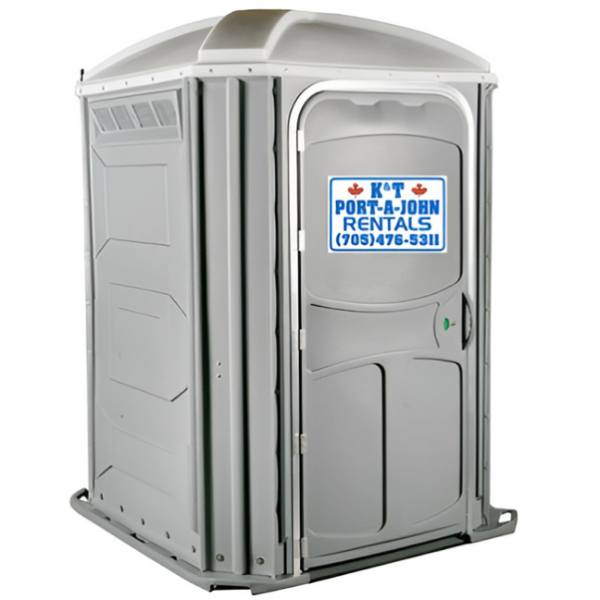
Comparing What Sits Inside: Interior finish separates one unit from the next. Flushing systems, running water, mirrors, lighting, climate control and vanity space vary widely. Organisers comparing luxury portable toilets should look past the exterior shell and ask what the door opens onto. Cubicle count and ventilation matter as much as the fittings.
Details That Separate a Smooth Day from a Long One
Servicing Keeps the Standard Holding: Servicing frequency rarely appears in the initial quote, yet it shapes the guest experience by hour six. Proper waste management across a multi day booking means scheduled pump outs, restocking and a quick check of every cubicle. Skip that and the nicest fittings stop mattering by mid afternoon. Attendants help.
Accessibility Cannot Be an Afterthought: Barrier free access is a legal and practical expectation at public gatherings. A mobile bathroom trailer with a wider cubicle, grab rails and a ramp covers guests who would otherwise be stuck waiting or leaving early. Older relatives at a wedding notice this immediately, and so do the families who brought them.
Points worth comparing before anything gets signed:
- Cubicle count against expected attendance
- Whether the ground can take the weight and width of a towed unit
- Power and water requirements, and who supplies them
- Servicing schedule for bookings that run past a single day
- Placement distance from food service and seating
- Delivery and collection windows
Placement Shapes the Impression: Placement decides how the units read within the event. Tucked behind a hedge or screened with planting, they stay out of photographs while remaining easy to find. Too far away and guests wander off mid speech. Too close to the catering tent and nobody thanks the organiser for it. Lighting the path helps after dark.
Setting the Standard Guests Remember
Washroom choice quietly shapes what guests carry home from the day. Booking early secures the right unit for the date, the site and the crowd, particularly across summer weekends when stock disappears. Walk the site, count the hours, then speak to a local supplier about matching the facilities to the occasion.